

A facelift can seem like a simple solution when social media constantly presents youthful skin as the standard of beauty. However, choosing cosmetic surgery deserves careful thought.
For some Nigerians, conversations about ageing and appearance have changed significantly. Social media, celebrity culture, beauty influencers and improved cosmetic procedures have made facial treatments more visible.
As a result, procedures once considered unusual can now appear like ordinary parts of maintaining one’s appearance.
This raises an important question: are facelifts becoming too normalised, especially among younger women?
The answer depends on why someone wants the procedure. Cosmetic surgery is a personal choice, but that choice can be influenced by many factors beyond personal preference.

Why are more people considering facelifts?
A facelift, also known as rhytidectomy, is a cosmetic surgical procedure designed to reduce visible signs of ageing on the face and neck.
During the procedure, excess skin may be removed while underlying tissues are repositioned or tightened. The goal is usually to create a firmer and more youthful appearance.
Advances in cosmetic surgery have also changed how people view facelifts.
Modern techniques can produce more subtle results than some older procedures. Recovery times may also vary depending on the technique and individual circumstances.
Consequently, people may feel that getting a facelift is less intimidating than it once was.
Social media has added another layer to this change.
People now see carefully edited images and videos of youthful-looking faces every day. Filters, lighting, makeup and cosmetic procedures can also make certain beauty standards appear normal.
When a particular appearance becomes common online, it can gradually influence what people consider attractive.
Social media can influence what we desire
Beauty preferences are rarely formed in isolation.
A person may genuinely believe they want a particular cosmetic procedure. However, repeated exposure to certain beauty standards can influence that desire.
For example, someone who was previously comfortable with natural facial changes may begin noticing wrinkles more after constantly seeing younger-looking faces online.
The concern becomes greater when social media creates the impression that ageing is something that should always be corrected.
In Nigeria, this pressure can be particularly visible across platforms such as Instagram, TikTok and other image-focused spaces.
Beauty content often promotes smooth skin, defined facial features and youthful appearances. Although these images can be entertaining, they can also create unrealistic expectations.
Therefore, it is worth asking whether you want a facelift because it genuinely suits your personal goals or because you feel pressured to look younger.
A facelift is still major surgery
One important point can easily get lost in beauty conversations.
A facelift is a surgical procedure, not simply another beauty treatment.
Like other surgeries, it carries potential risks and requires proper medical assessment. Possible complications can include bleeding, infection, scarring, nerve injury, changes in sensation and reactions to anaesthesia.
There can also be dissatisfaction with the final result.
Recovery takes time, and the outcome may not always match what someone imagined before surgery.
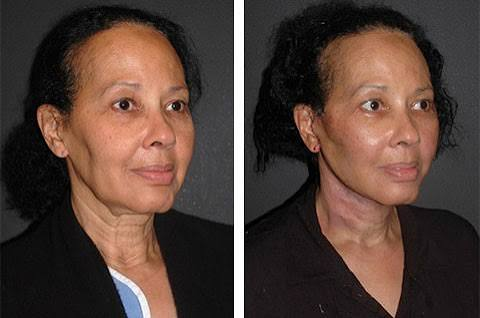
For Nigerians considering the procedure, choosing a properly qualified plastic surgeon is especially important. Do not rely solely on social media popularity, testimonials or before-and-after photographs.
A consultation should include a discussion of your medical history, expectations, possible complications and recovery process.
Being young does not mean you need a facelift
The growing visibility of facelifts among younger adults can make ageing feel like something that must be prevented early.
However, there is no universal age at which someone should have a facelift.
People age differently because of genetics, lifestyle, sun exposure and other factors. Some people may consider surgery earlier, while others may never want it.
Age alone should not determine the decision.
More importantly, someone who does not actually want surgery should not feel obligated to have it.
If your main concern is that you are becoming uncomfortable with normal changes in your appearance, it may be useful to understand where that discomfort comes from.
Sometimes, the problem is not the face itself.
It may be constant comparison with other people.
Consider the financial pressure
Cosmetic surgery can also be expensive.
The total cost may extend beyond the surgeon’s fee. Consultation, medical tests, anaesthesia, hospital charges, medication and follow-up appointments can all contribute to the final expense.
Some people may also consider financing options to make procedures appear more affordable.
However, borrowing money for elective surgery requires careful consideration.
A cosmetic procedure should not create serious financial pressure or interfere with essential household expenses.
Before making a decision, consider the full cost and whether you can comfortably afford it.
Ask yourself why you want the procedure
Before booking a consultation, take time to examine your motivation.
Are you unhappy with a specific feature? Do you want to address changes that genuinely bother you? Or have you started feeling inadequate because of what you see online?
There is nothing wrong with wanting cosmetic surgery.
However, the decision should ideally come from a clear and informed personal choice.
It is also important to have realistic expectations. A facelift can change certain physical features, but it cannot stop ageing completely.
Your face will continue to change naturally over time.
You do not have to look younger to look good
Ageing is a normal part of life.
Taking care of your skin, eating well, exercising, protecting yourself from excessive sun exposure and getting enough rest can support healthy ageing.
These habits cannot prevent every wrinkle or change, but they can support overall wellbeing.
Cosmetic procedures are also a legitimate personal choice for adults who understand the risks and expectations.
The important distinction is between choosing a procedure and feeling pressured into one.
If you genuinely want a facelift after considering the risks, costs and recovery, speak with a qualified medical professional.
However, if you do not want one, you do not need to justify that decision.
You are allowed to age without treating every visible change as a problem.
And sometimes, the most important question is not, “How can I look younger?”
It is, “Why do I feel that I must?”












Join the conversation