

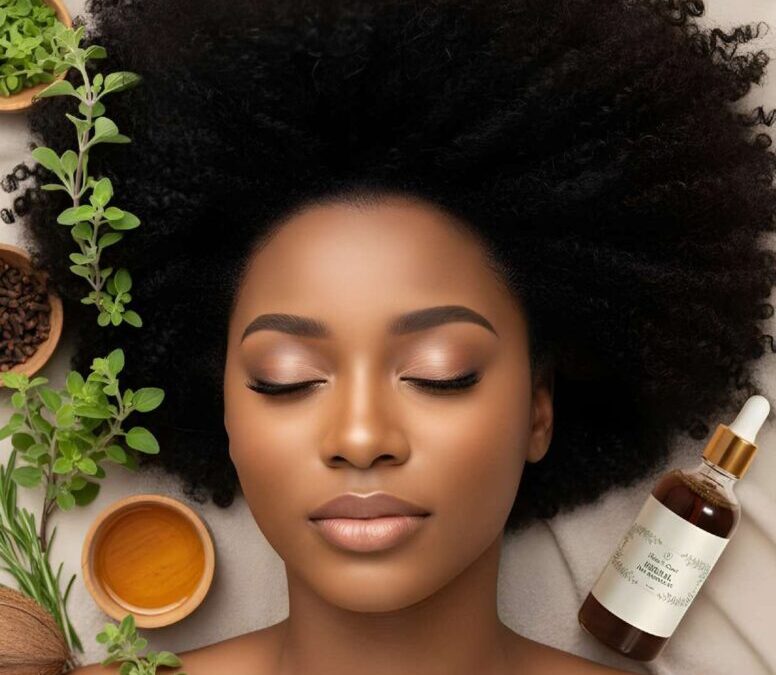
Long before natural skincare became a global beauty trend, African households were already using plants, oils and natural ingredients for skin and hair care.
Across Nigeria, beauty routines have often depended on what was available locally. Shea butter has been used to moisturise dry skin. Honey has featured in homemade skincare mixtures. Moringa has become popular for its nutritional and cosmetic uses. Hibiscus, known locally through zobo, is also attracting attention in skincare.
Today, these ingredients appear in creams, serums, masks and body oils sold by international beauty brands. Some products are expensive, even though their key ingredients can be found in Nigerian markets.
However, natural does not automatically mean suitable for everyone. Skin can react to plant-based ingredients just as it can react to synthetic products. Therefore, understanding what an ingredient can realistically do matters before adding it to your routine.
Here are four African ingredients worth knowing.
Shea Butter: The African Moisturiser
Shea butter remains one of the most recognisable African skincare ingredients.
It comes from the nuts of the shea tree, which grows across parts of West Africa. Nigeria is one of the countries where shea nuts are produced and processed.
For generations, people have used shea butter to soften dry skin and protect it from harsh environmental conditions. Its thick texture makes it particularly useful for areas that become rough or dry.
These include the elbows, knees, heels, hands and lips.
Shea butter contains fatty acids and other compounds that help reduce moisture loss from the skin. This makes it useful as an emollient in moisturisers and body creams.
It can also support the skin barrier when applied to dry or irritated skin.
However, shea butter is not necessarily ideal for every face. People with oily or acne-prone skin may find thick products uncomfortable or unsuitable.
Therefore, using a small amount first can help you understand how your skin responds.
Shea butter is also commonly used in hair products. It can help soften dry hair and reduce the feeling of dryness on the scalp and strands.
For Nigerians dealing with harmattan, dry weather or frequent exposure to air conditioning, a suitable moisturiser containing shea butter can be useful.
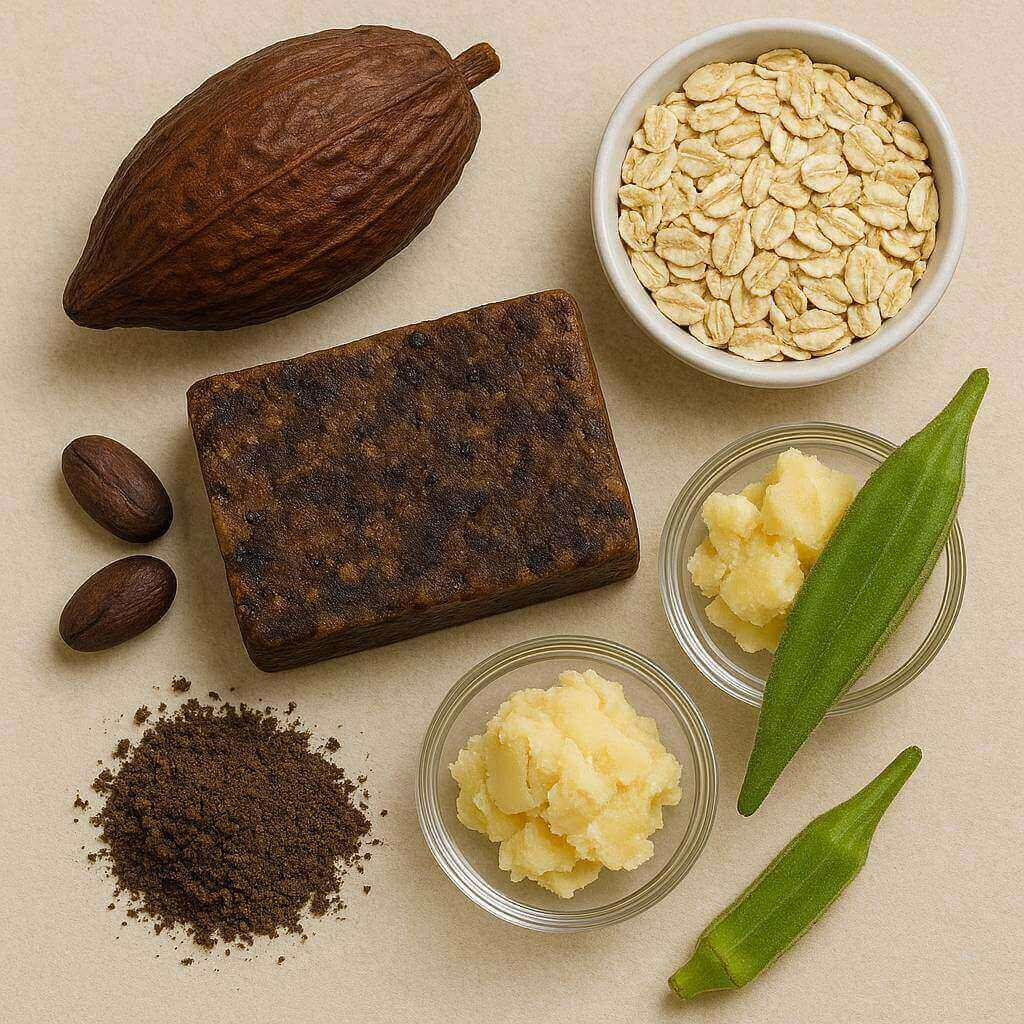
Honey: More Than a Kitchen Staple
Honey is another natural ingredient with a long history of use.
In Nigeria, honey is commonly used as a food and sweetener. However, its cosmetic applications have also made it popular in homemade skincare.
Honey has humectant properties. This means it can help attract and retain moisture on the skin.
It also contains compounds with antimicrobial properties. Certain types of medical-grade honey are used in wound care under professional supervision.
However, this does not mean ordinary kitchen honey should be applied to wounds or used as a treatment for skin infections.
Honey can be used as an ingredient in simple skincare routines. Some people apply it as a short-contact mask before washing it off.
Its moisturising properties may leave the skin feeling softer.
Still, homemade skincare requires caution. Raw ingredients can contain contaminants or cause irritation in some people.
Anyone with sensitive skin should patch-test a product before applying it widely.
Honey should also not be treated as a cure for acne, dark spots or wrinkles. Persistent acne or other skin problems may require appropriate dermatological care.
Moringa: The Nutrient-Rich African Plant
Moringa has earned a strong reputation in Nigeria.
The plant is widely known for its nutritional value. Its leaves are used in food, supplements and traditional preparations.
Moringa has also entered the beauty industry.
Moringa seed oil, for example, contains fatty acids that can help soften and condition the skin. The plant also contains antioxidant compounds.
Antioxidants help protect cells from oxidative stress caused by unstable molecules called free radicals.
This has made moringa attractive to skincare manufacturers.
Some products containing moringa are marketed for dry skin, uneven skin tone and signs of ageing. However, marketing claims should not be confused with proven treatments.
There is still a difference between an ingredient showing promising properties and a finished skincare product being proven to treat a specific skin condition.
For Nigerian consumers, this distinction is important.
A cream containing moringa may be a useful moisturising product. However, it should not replace medically recommended treatment for eczema, severe acne or other persistent conditions.
Moringa can also be found in hair and scalp products. Its oils can provide conditioning benefits, particularly for dry hair.
Hibiscus: From Zobo to Skincare
Hibiscus is particularly familiar to Nigerians.
The deep-red drink commonly known as zobo is made from hibiscus calyces. It is a familiar drink at homes, restaurants, parties and social gatherings.
Beyond the kitchen, hibiscus has attracted attention in cosmetics.
Hibiscus contains antioxidants and naturally occurring organic acids. Some skincare formulations use hibiscus extracts because of their potential antioxidant and exfoliating properties.
These properties have contributed to its reputation as a natural ingredient for improving the appearance of dull skin.
Some formulations may also help the skin feel smoother and more hydrated.
However, homemade hibiscus treatments require care. Concentrated plant extracts can irritate sensitive skin, particularly when used too frequently.
The same applies to DIY mixtures containing lemon juice or other acidic ingredients. Natural ingredients can still cause irritation, burns or increased sensitivity when used incorrectly.
Therefore, using a properly formulated skincare product may be safer than experimenting with highly concentrated kitchen ingredients.
Why African Ingredients Are Returning to the Spotlight
The renewed interest in African beauty ingredients is not simply about nostalgia.
Consumers around the world are increasingly interested in plant-based formulations, sustainable sourcing and traditional beauty practices.
This has created opportunities for African ingredients to enter international markets.
For Nigeria, the trend also highlights the value of local agricultural resources.
Shea butter, moringa and hibiscus are not mysterious ingredients imported from distant countries. They are connected to crops, farmers, processors and businesses across Africa.
Nigerian consumers can therefore find many of these ingredients locally.
However, accessibility should not encourage careless experimentation.
A product being natural does not guarantee that it will suit your skin. Concentration, processing, formulation and storage can all affect how an ingredient behaves.
Your skin type also matters.
Someone with very dry skin may appreciate the richness of shea butter. Someone with oily or acne-prone skin may prefer a lighter formulation.
Similarly, sensitive skin may react to ingredients that another person tolerates without problems.
Before introducing any new product, test a small amount on an inconspicuous area. Stop using it if you experience significant burning, swelling, itching or a worsening rash.
African beauty traditions offer plenty of useful ingredients, but they work best when tradition meets good skincare knowledge.
Shea butter, honey, moringa and hibiscus each have properties that explain their popularity. Yet none should be treated as a miracle solution.
The real beauty secret may be simpler: understand your skin, use suitable products consistently and avoid practices that damage the skin barrier.
For Nigerians, that also means looking closer at ingredients that have been part of our environment for generations.
What is now appearing in expensive international serums may have been sitting in the local market all along.










Join the conversation