

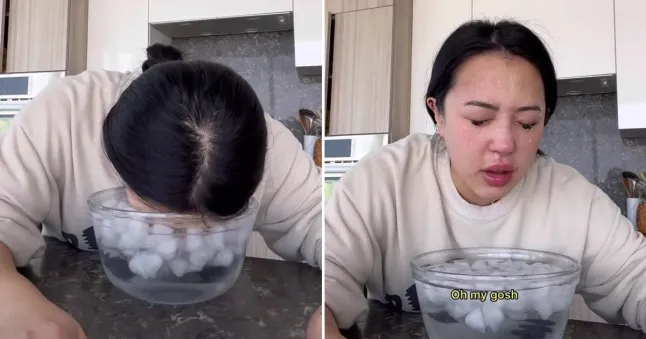
Dunking your face into cold water may sound like an extreme way to start the morning. Yet, this simple practice can trigger a surprising response from your nervous system.
The idea has gained attention as people look for quick ways to manage stress, calm their minds and feel more grounded.
For Nigerians dealing with traffic, demanding jobs, financial pressure and busy family responsibilities, a simple calming technique can sound appealing. However, cold-water therapy is not a magic solution for stress or anxiety.
Cold water can trigger specific physiological responses in the body. Understanding those responses can help you decide whether the practice is worth trying.
Why Does Cold Water Affect the Nervous System?
Your nervous system constantly responds to changes around you.
When you experience stress, your body can enter a state of heightened alertness. Your heart rate may increase, your breathing may become faster and your muscles may tense.
This response is useful when you need to react quickly to danger. However, remaining in a prolonged state of stress can leave you feeling mentally and physically exhausted.
Cold water provides a sudden sensory stimulus.
When you place your face in very cold water, receptors in your facial skin detect the temperature change. This can activate what is commonly called the diving reflex, an automatic response associated with being submerged in water.
The response can influence breathing and heart rate as the body attempts to conserve oxygen.
Cold exposure can also interact with the autonomic nervous system, which helps regulate functions such as heart rate, breathing and digestion.
This does not mean dunking your face automatically “resets” your nervous system.
The nervous system is far more complicated than wellness trends sometimes suggest. However, the immediate physical response to cold water may help some people feel calmer after the initial shock.
That may explain why some people describe cold-water exposure as refreshing or mentally clarifying.
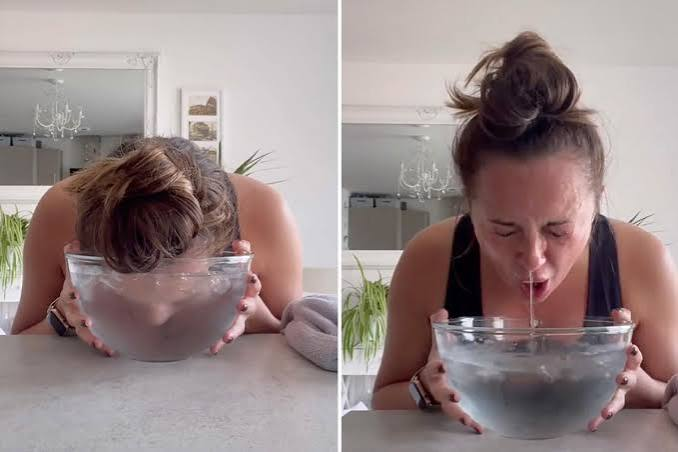
What Does Dunking Your Face in Cold Water Feel Like?
The first few seconds can be uncomfortable.
Imagine waking up in Abuja or Lagos, walking into your kitchen and placing your face into a bowl filled with cold water.
Your first instinct may be to pull away immediately.
The cold sensation can feel intense, especially when you are not accustomed to it. Holding your breath can also make the experience uncomfortable.
However, some people notice that the sensation becomes easier after a few seconds.
The sudden cold may interrupt whatever thoughts were occupying your attention. Instead of worrying about work, messages or your morning schedule, your brain becomes focused on the immediate physical sensation.
That change in attention can make the experience feel calming.
It may also provide a psychological break from repetitive thoughts.
For someone who wakes up already thinking about unpaid bills, an upcoming presentation or a difficult conversation, that interruption may feel useful.
However, individual responses differ.
Some people may find cold exposure energising rather than relaxing. Others may simply find it unpleasant.
There is no requirement to force yourself through an uncomfortable experience because it is trending online.
Can Cold Water Actually Reduce Stress?
Cold-water exposure may produce short-term changes in how your body responds to stress.
Some people report feeling calmer after cold exposure. Others describe feeling more alert and focused.
However, it is important to distinguish a temporary calming sensation from treating chronic stress.
Dunking your face in cold water will not eliminate workplace pressure, relationship problems or financial difficulties.
It will not resolve persistent anxiety or replace professional mental health treatment.
Think of it as a possible tool rather than a complete solution.
You could combine calming practices with adequate sleep, physical activity, healthy meals, social connection and relaxation techniques.
Breathing exercises may also help you become more aware of how your body responds to stress.
For some people, taking a short walk after a stressful situation may be more comfortable than cold-water exposure.
The goal is to find sustainable habits that support your overall wellbeing.
How Can You Try It Safely?
If you want to experiment with cold-water facial immersion, start gently.
You do not need a large bowl packed with ice.
Cool water may be sufficient to provide a noticeable temperature change. You can gradually adjust the temperature if you tolerate the experience comfortably.
Do not treat discomfort as a measure of effectiveness.
A colder temperature or longer exposure does not necessarily mean greater benefits.
Avoid forcing yourself to hold your breath for prolonged periods. Come out of the water if you feel dizzy, faint, unusually short of breath or unwell.
People with certain heart or circulation problems should speak with a healthcare professional before deliberately exposing themselves to extreme cold.
The same caution applies if you have a medical condition that could make sudden cold exposure risky.
You should also avoid turning the practice into a competition.
Social media can make wellness routines look more dramatic than they need to be. You do not need an enormous ice bath or expensive equipment to experiment with a simple calming routine.
Could It Become Part of Your Morning Routine?
The biggest attraction may be its simplicity.
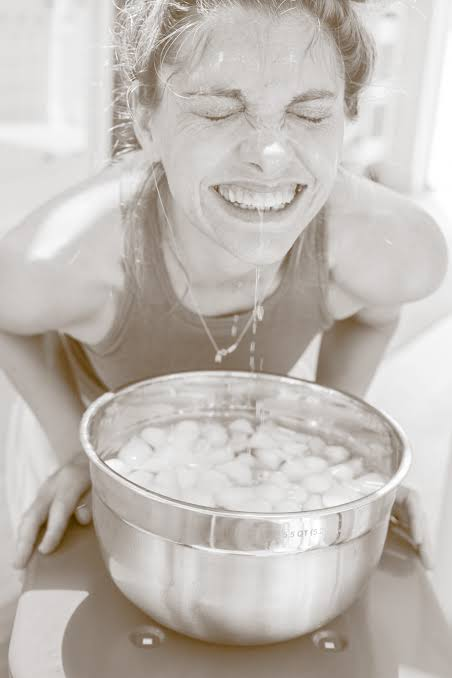
You can use a bowl and cold water without buying specialised equipment. This makes the practice relatively accessible.
You could try it as part of a broader morning routine.
For example, you might wake up, drink some water, spend a few quiet minutes away from your phone and practise slow breathing.
You could then use cool water on your face if you find the sensation helpful.
The routine should support your day rather than become another source of pressure.
If cold water makes you dread your mornings, there is little reason to continue.
Other activities can provide similar opportunities to pause and reconnect with the present.
A short walk, stretching, prayer, meditation, breathing exercises or quiet time can all become useful parts of a stress-management routine.
The Takeaway
Dunking your face in cold water can trigger a genuine physiological response.
That response may temporarily influence breathing, heart rate and your body’s stress-related processes.
For some people, the sudden sensation can also interrupt racing thoughts and create a feeling of calm or alertness.
However, it is not a cure for chronic stress, anxiety or other mental health conditions.
If you decide to try it, start gently and listen to your body.
Most importantly, do not confuse a viral wellness trend with a substitute for proper healthcare.
Sometimes, calming your nervous system does not require an elaborate routine.
It may begin with something as simple as pausing, breathing and giving your mind a moment to return to the present.











Join the conversation