

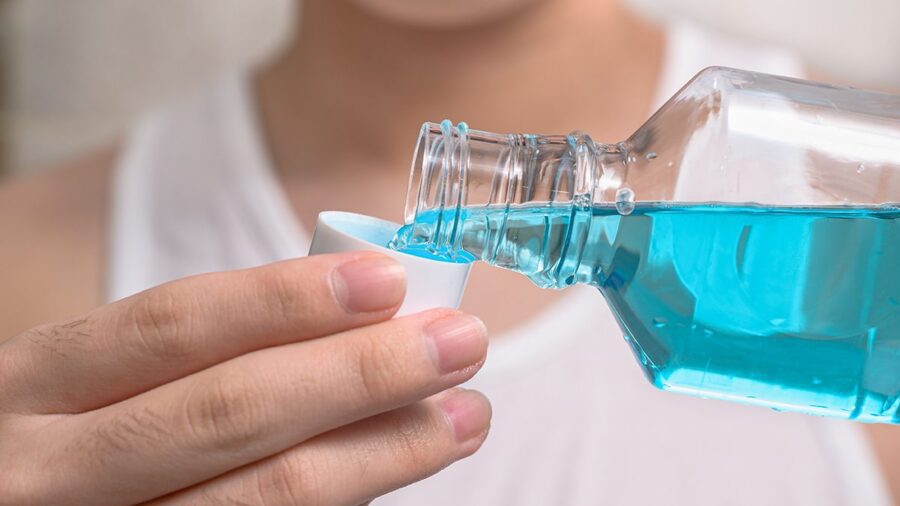
Mouthwash is often seen as a simple way to keep your breath fresh and your mouth clean. However, recent discussions online have raised concerns about whether regular use could do more harm than good.
Some social media posts claim that mouthwash kills beneficial bacteria in the mouth. Others suggest that this could increase the risk of type 2 diabetes, high blood pressure, heart disease and problems affecting blood flow to the brain.
These claims can sound alarming, especially when they are presented as established medical facts.
The reality is more complicated.
Your mouth contains millions of microorganisms. Some can contribute to tooth decay and gum disease, while others are part of the normal oral environment. Keeping this community balanced is important.
However, occasional use of an over-the-counter mouthwash is unlikely to suddenly destroy your oral health or cause serious diseases.
The bigger issue is understanding what mouthwash can and cannot do.
Your Mouth Has Its Own Microbiome
The mouth is home to a large community of bacteria and other microorganisms. Together, they form what is known as the oral microbiome.
These microorganisms live on your teeth, tongue, gums and other parts of your mouth.
Not every bacterium is harmful. Some bacteria are part of a healthy oral environment. Problems can develop when harmful bacteria become too dominant.
Poor oral hygiene, frequent consumption of sugary foods and drinks, smoking and untreated dental problems can all contribute to an unhealthy oral environment.
This is why brushing your teeth and cleaning between them remain important.
Mouthwash can be useful in some situations, but it should not replace these basic habits.
Some mouthwashes contain ingredients designed to reduce bacteria, control plaque, prevent tooth decay or help manage gum problems. Others mainly provide temporary freshness.
The important point is that different mouthwashes serve different purposes.
Therefore, using one simply because it gives you fresh breath does not necessarily mean you need it every day.
Can Mouthwash Kill Good Bacteria?
This is where the online discussion becomes misleading.
Antibacterial mouthwashes can reduce bacteria in the mouth. Depending on the product and how frequently it is used, this may affect the composition of the oral microbiome.
However, reducing some bacteria is not automatically harmful.
Your mouth is constantly exposed to food, drinks, saliva and microorganisms. The oral microbiome also changes naturally.
Occasional use of an ordinary over-the-counter mouthwash is unlikely to cause significant harm to an otherwise healthy person.
Using mouthwash once a week or occasionally is very different from relying heavily on strong antibacterial products several times every day.
It is also important to remember that an association between mouthwash use and a health condition does not prove that mouthwash caused the condition.
Some studies have reported links between frequent mouthwash use and certain health outcomes. However, researchers still need to understand the relationship fully.
People who frequently use mouthwash may also have existing oral health problems or other lifestyle factors that influence their health.
Therefore, it would be inaccurate to conclude that mouthwash directly causes diabetes or heart disease based on these associations alone.
What About Diabetes and High Blood Pressure?
One reason mouthwash has attracted attention is research into the relationship between the oral microbiome and the rest of the body.
Some oral bacteria can convert dietary nitrate into compounds involved in processes such as blood vessel function. This has led researchers to investigate whether extensively disrupting oral bacteria could affect cardiovascular health.
However, this does not mean that using mouthwash will give you high blood pressure or heart disease.
Similarly, researchers have investigated possible connections between oral health, inflammation and metabolic conditions such as type 2 diabetes.
Poor oral health, particularly gum disease, has been associated with several health conditions. But these relationships are complex.
For example, a person with diabetes may also be more likely to develop gum problems. This does not mean that one specific mouthwash caused the condition.
More research is needed before strong conclusions can be made about everyday mouthwash use and serious systemic diseases.
Therefore, Nigerians should be careful about health posts that present early research as proven medical facts.
Should You Stop Using Mouthwash?
Not necessarily.
If your dentist has recommended a particular mouthwash, follow the instructions given to you.
Some people may benefit from specific products, especially those dealing with gum disease, tooth decay, bad breath or other oral health concerns.
However, mouthwash is not compulsory for everyone.
For most people, the foundation of oral hygiene remains regular brushing with fluoride toothpaste and cleaning between the teeth.
Mouthwash can be an additional step rather than the main method of cleaning your mouth.
If you use mouthwash, follow the instructions on the product. Do not assume that using more will produce better results.
Using excessive amounts or using a product more frequently than recommended can cause unwanted effects depending on its ingredients.
Some products can also cause temporary changes in taste or irritation in certain people.
If a mouthwash causes burning, persistent irritation or other unusual symptoms, stop using it and speak with a dental professional.
Be Careful With DIY Mouthwash
The popularity of natural remedies has also encouraged some people to make homemade mouth rinses.
Ingredients such as salt, baking soda and other household products are sometimes recommended online.
Some simple rinses may have specific uses, but homemade mixtures should not automatically be considered safer than professionally formulated products.
Avoid using harsh substances or concentrated chemicals in your mouth.
Also, do not swallow mouthwash.
Children should only use mouthwash when it is appropriate for their age and under suitable supervision. Some mouthwashes contain alcohol or other ingredients that can be harmful if swallowed.
Good Oral Hygiene Matters More
For Nigerians concerned about their oral microbiome, there is no need to panic because of social media posts.
The goal is not to eliminate every bacterium from your mouth. Instead, good oral care aims to reduce harmful plaque while maintaining a healthy oral environment.
Brush your teeth regularly with fluoride toothpaste. Clean between your teeth and pay attention to your gums.
Also, reduce frequent sugary snacks and drinks. Smoking can increase the risk of gum disease and other oral problems, so avoiding tobacco is important.
Regular dental check-ups can also help identify problems before they become more serious.
Mouthwash can have a place in a good oral-care routine. However, it is not a substitute for brushing, flossing or professional dental care.
Most importantly, do not allow frightening health claims on social media to replace medical advice.
Current evidence does not support the idea that occasional mouthwash use automatically destroys your oral microbiome or causes serious diseases.
If you have persistent bad breath, bleeding gums, mouth sores, tooth pain or other ongoing symptoms, speak with a qualified dental professional. The right mouthwash depends on your individual oral health needs.













Join the conversation