

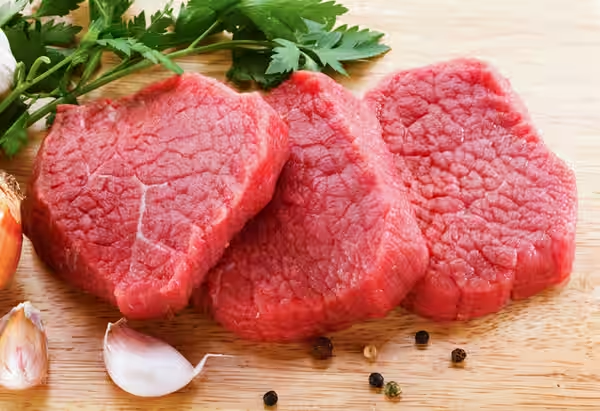
Turning 40 does not mean you have to stop eating the Nigerian foods you enjoy.
However, your eating habits may need more attention as you get older. The goal is not to eliminate rice, yam, meat or fried foods completely.
Instead, it is about eating certain foods less often and preparing familiar meals differently.
A balanced diet can help protect against conditions such as heart disease, diabetes and stroke. The World Health Organization recommends diets built around vegetables, fruits, legumes, whole grains and nutritious protein sources. It also recommends limiting excess salt, free sugars and unhealthy fats.
For Nigerian men and women over 40, this approach can work without abandoning traditional meals.
Here are five foods and eating habits worth reducing.
1. Heavily salted foods
Salt is an important part of Nigerian cooking. It brings out flavour in soups, stews, rice and other meals.
The problem begins when your overall intake becomes excessive.
Salt is not only the salt you add while cooking. Sodium can also come from processed foods, bread, processed meats, snacks, sauces and seasoning products.
WHO recommends that adults consume less than 5 grams of salt daily. That is roughly one teaspoon from all sources combined.
This does not mean you should stop using salt in your food.
Instead, pay attention to how much you use across the entire day.
For example, a heavily seasoned stew served with salty meat and additional salty snacks can quickly increase your intake.
Stock cubes and other seasonings can also contribute sodium. Therefore, reducing salt may require looking at the whole meal rather than one ingredient.
This becomes particularly important for people managing their blood pressure.
Try using more onions, garlic, ginger, scent leaves, curry, thyme and other herbs and spices to build flavour.
You can still enjoy jollof rice, egusi soup or vegetable soup without making every meal heavily salty.
2. Processed meats
Processed meat includes products that have been transformed through methods such as salting, curing, smoking or other processing.
Examples familiar to Nigerians can include sausages, bacon, corned beef and some highly processed meat products.
These foods can be convenient, especially for breakfast or quick meals. However, eating them frequently can add significant amounts of salt and unhealthy fats to your diet.
WHO recommends limiting processed meats as part of a healthy diet.
The practical solution is not necessarily to remove meat from your diet.
You can eat more fresh fish, eggs, beans, chicken and other less processed protein sources.
For example, replace a regular breakfast of sausage and white bread with eggs, beans and a smaller portion of bread.
You can also choose grilled or boiled fish with vegetables instead of relying on processed meat several times a week.
These small changes can make your meals more varied without making them unfamiliar.
3. Frequent deep-fried foods
Fried food is deeply connected to Nigerian food culture.
Akara, puff-puff, chin chin, plantain chips, fried yam, fried potatoes and other favourites are common at home, parties and roadside food spots.
The issue is not that eating one piece of fried plantain automatically makes a meal unhealthy.
The bigger concern is frequency, portion size and the overall quality of your diet.
Deep frying can significantly increase the amount of fat and calories in food. WHO recommends limiting foods high in unhealthy fats and choosing cooking methods such as steaming or boiling more often.
You can therefore keep your favourite foods while changing how frequently you eat them.
For example, boiled or grilled plantain can replace fried plantain on some days.
Fish can be grilled instead of fried. Yam can be boiled rather than deep-fried.
When you do eat fried foods, keep the portion reasonable and balance the meal with vegetables and a suitable protein source.
Also, avoid assuming that every vegetable-based meal is automatically healthy. A vegetable dish cooked with excessive oil can still contribute substantial calories.
4. Sugary drinks
Soft drinks, sweetened juices, energy drinks and heavily sweetened beverages can add a surprising amount of sugar to your diet.
They are particularly easy to consume because you may not feel as full as you would after eating solid food.
A bottle or glass can therefore accompany a meal without feeling like an additional food.
WHO recommends keeping free sugars below 10% of daily energy intake, with additional benefits from reducing intake further. Free sugars include sugars added to drinks and foods, as well as sugars naturally present in honey, syrups and fruit juices.
You do not have to stop drinking something enjoyable every time you eat.
However, water should become a more regular choice.
You can also reduce the amount of sugar added to homemade drinks such as zobo, kunu or tea.
Be careful with fruit juice as well. Whole fruit generally provides more fibre and requires more chewing than juice.
An orange, watermelon or pawpaw can therefore be a more satisfying choice than regularly drinking sweetened beverages.
5. Large portions of refined carbohydrates
Rice, bread, noodles, pasta and other carbohydrate-rich foods are not automatically unhealthy.
They can provide energy and form part of a balanced Nigerian diet.
The problem can arise when refined carbohydrates dominate the plate while vegetables, legumes and protein become small additions.
Portion size also matters.
A large plate of white rice with a small piece of protein and little vegetable content may provide a very different nutritional balance from a moderate rice portion served with vegetables, beans and fish.
WHO recommends getting carbohydrates primarily from whole grains, vegetables, fruits and pulses such as beans. It also recommends adequate dietary fibre.
This does not mean abandoning white rice or traditional staples.
Instead, consider reducing the portion and increasing vegetables, beans or other nutritious foods.
For instance, you could eat a smaller serving of rice alongside beans, vegetables and grilled fish.
You can also include oats, unprocessed maize, millet and other higher-fibre options where they suit your diet and budget.
You do not need to abandon Nigerian food
Eating well after 40 is not about following an expensive foreign diet.
Beans, vegetables, fruits, fish, eggs, whole grains and other locally available foods can fit into a balanced eating pattern.
The bigger change may be how often you eat certain foods, how much you serve yourself and how they are prepared.
For example, instead of eliminating fried plantain, eat it less frequently. Instead of completely avoiding rice, reduce the portion and add vegetables and protein.
Instead of drinking soft drinks every day, make water your regular drink and enjoy sugary beverages less often.
Your diet also needs to reflect your individual circumstances. Existing medical conditions, medications, activity levels and nutritional needs can affect what is appropriate for you.
Therefore, anyone managing conditions such as diabetes, hypertension or kidney disease should discuss major dietary changes with a qualified healthcare professional.
After 40, the goal is not to make Nigerian food the enemy.
It is to build meals that provide more nutritional value while keeping excess salt, sugar and unhealthy fats under control.
Small changes made consistently can be more realistic than completely changing the way you eat.













Join the conversation