

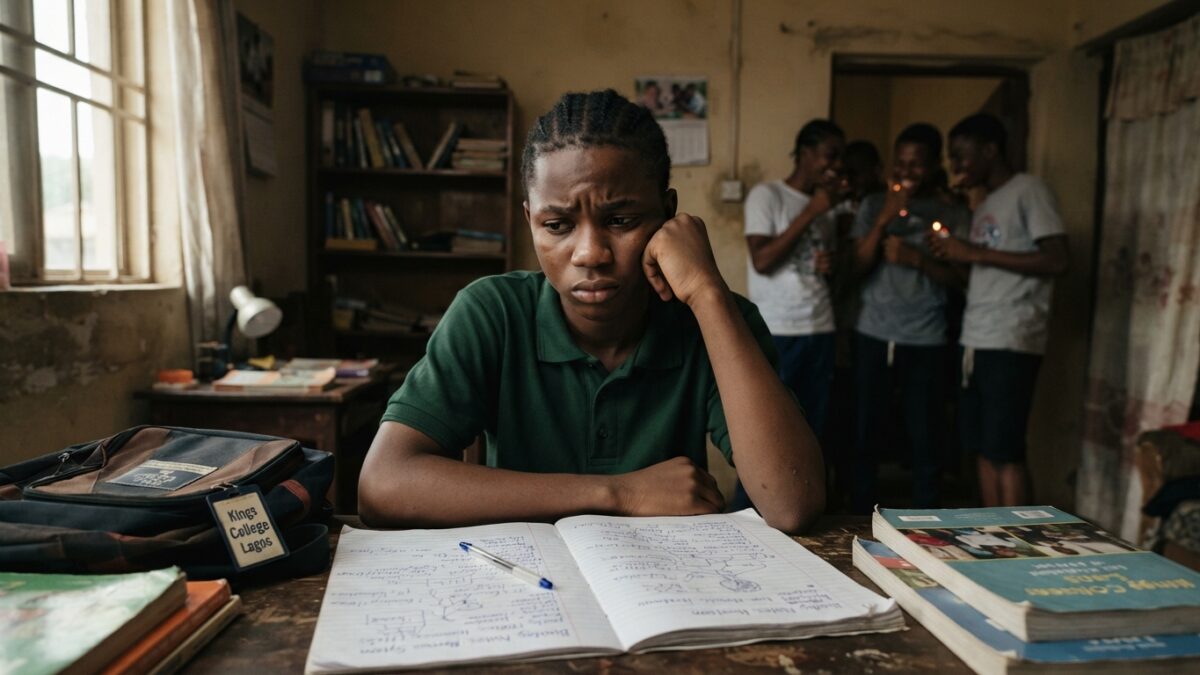
Marijuana is sometimes presented as harmless because it comes from a plant. For teenagers, that assumption can be dangerous.
The teenage years are a period of rapid physical, emotional and mental development. The brain continues developing into the mid-20s, making adolescents particularly vulnerable to substances that affect brain function.
In Nigeria, teenagers may encounter marijuana through friends, parties, neighbourhoods or social media. Some may also hear claims that marijuana improves creativity, reduces stress or is safer than other drugs.
These claims can make experimentation seem harmless.
However, marijuana contains tetrahydrocannabinol, commonly called THC. THC is the main compound responsible for the drug’s intoxicating effects.
It can affect memory, attention, coordination, decision-making and reaction time. These effects matter even more when the brain is still developing.
Understanding the risks can help teenagers make informed decisions before experimentation becomes a habit.
1. Marijuana Can Affect the Developing Brain
The teenage brain is still under construction.
Important areas responsible for learning, memory, attention, decision-making and emotional control continue developing during adolescence.
Marijuana affects several of these functions. Using it during the teenage years may interfere with attention, learning, memory and problem-solving.
This can have practical consequences for a Nigerian teenager.
A student preparing for WAEC, NECO or university entrance examinations needs concentration and memory. Regular marijuana use can make studying and retaining information more difficult.
The effects may also extend beyond school.
Teenagers are learning how to manage friendships, make decisions and handle responsibilities. Impaired judgment can make some situations more difficult to navigate.
Research also suggests that the risks can increase with earlier and more frequent use. Scientists are still studying the full long-term effects of adolescent cannabis exposure. Therefore, teenagers should not assume occasional use is completely harmless.
Protecting the developing brain is one of the strongest reasons to avoid marijuana during adolescence.
2. It Can Affect Mental Health
Marijuana can affect how a person thinks, feels and perceives their surroundings.
Some users experience anxiety, paranoia, confusion or disorientation after taking cannabis. These reactions can be particularly frightening for someone who has never experienced them before.
There is also an association between cannabis use and certain mental health problems.
Research has linked cannabis use with depression, social anxiety and psychosis. The relationship is complex, and researchers continue to study whether cannabis directly causes particular mental disorders or worsens existing vulnerability.
Psychosis can involve losing touch with reality, experiencing hallucinations or developing strong paranoid beliefs.
The association with psychosis and schizophrenia appears stronger among people who begin using cannabis earlier and use it more frequently.
This is especially important for teenagers with a personal or family history of mental health problems.
Marijuana should never be treated as a safe way to handle sadness, academic pressure, family problems or anxiety.
A teenager struggling emotionally needs support, not a substance that could complicate the situation.
Talking to a trusted parent, guardian, teacher, counsellor, doctor or mental health professional is a safer option.
3. Marijuana Can Become Difficult to Stop
One of the biggest misconceptions about marijuana is that it cannot become addictive.
Cannabis use disorder is a recognised condition. It occurs when someone struggles to control their cannabis use despite experiencing problems because of it.
According to the CDC, approximately three in 10 people who use cannabis develop cannabis use disorder. The risk is higher among people who start during adolescence and those who use cannabis frequently.
The warning signs can be gradual.
A teenager may initially smoke only when friends are around. Eventually, they may start craving it or thinking about it frequently.
They might begin spending more time with people who use marijuana. Schoolwork, sports, church activities, family relationships or hobbies may receive less attention.
Some users also develop tolerance. This means they need more cannabis or stronger products to experience the effects they previously felt.
Trying to stop may then become difficult.
This is why experimentation should not be dismissed as harmless teenage behaviour.
Starting young can increase the risk of developing problematic cannabis use later.
4. It Can Put Teenagers at Risk of Accidents
Marijuana can affect coordination, reaction time, judgment and perception.
These abilities are essential when driving, riding a motorcycle, cycling or operating equipment.
For Nigerian teenagers, this risk can appear in everyday situations.
A teenager may take marijuana before riding with friends on a motorcycle. Another may use it before driving a car belonging to a parent or older sibling.
Even if someone feels capable of driving, marijuana can impair important skills.
It can slow reactions and affect decision-making. It can also distort perception and reduce coordination.
The danger becomes greater when marijuana is combined with alcohol or other substances.
Therefore, getting into a car with someone who has used marijuana is also risky.
Teenagers should never allow peer pressure to determine whether they enter an unsafe vehicle.
No friendship is worth risking a serious road accident.
5. It Can Affect School, Relationships and Future Goals
The consequences of marijuana use are not limited to the moment someone becomes intoxicated.
Regular use can affect important areas of a teenager’s life.
A student who once attended classes regularly may begin missing school. Concentration may decline. Assignments may be ignored. Relationships with parents and teachers may become strained.
Some teenagers may also withdraw from activities they previously enjoyed.
These changes can happen gradually, making them difficult to recognise at first.
The CDC notes that teenagers who use cannabis can experience problems with memory, learning, attention and school or social life.
There can also be consequences beyond academics.
A teenager may have ambitions to study medicine, engineering, law, technology or another competitive field. They may dream of playing professional sports or building a business.
Regular substance use can interfere with the discipline needed to pursue those goals.
This does not mean every teenager who uses marijuana will experience these outcomes. Individual experiences differ.
However, the risks are significant enough to take seriously.
Marijuana Is Not a Harmless Shortcut
Teenagers face enormous pressure today.
Academic expectations, social media, friendships, family expectations and the desire to fit in can create stress.
Some young people may therefore turn to marijuana because their friends describe it as relaxing or harmless.
But temporary relaxation does not eliminate the potential risks.
Marijuana can affect the developing brain, mental health, decision-making and ability to control use. It can also increase the risk of accidents and interfere with school and relationships.
Parents and guardians also have an important role.
Conversations about marijuana should not begin only after a teenager has been caught using it. Young people need factual information before peer pressure puts them in that position.
Teenagers should also know that asking for help is not a sign of weakness.
If someone has already started using marijuana and is struggling to stop, they should speak with a healthcare professional or another trusted adult.
The goal should not be shame or punishment alone.
It should be helping the teenager understand the risks, regain control and protect their future.
A decision made at 15 or 16 should not be allowed to determine the rest of someone’s life. Protecting the brain, health and opportunities available today can make a significant difference tomorrow.












Join the conversation