

Blackheads may look like tiny spots of dirt trapped in your pores, but they are not caused by dirt. They form when oil, dead skin cells and other material block a pore.
For people dealing with oily skin, especially around the nose, forehead and chin, blackheads can become a frustrating part of skincare. The temptation to squeeze them can also be strong.
However, repeatedly pressing, scratching or digging at your skin can cause irritation and sometimes leave marks or scars.
Dermatologists recommend treating the cause rather than repeatedly forcing the blockage out.
What Causes Blackheads?
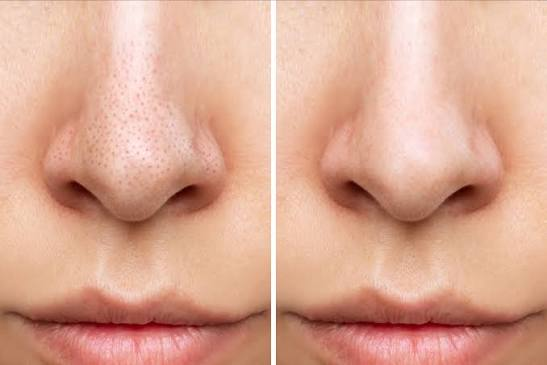
Blackheads are a type of acne known as open comedones. They develop when a pore becomes clogged with excess oil and dead skin cells.
The opening remains exposed to air. The material inside the pore then oxidises and becomes dark.
That dark colour does not mean the pore contains dirt.
Blackheads can appear on the face, neck, chest and back. They are particularly common in areas where the skin produces more oil.
Hormonal changes can also increase oil production. This explains why blackheads can become more noticeable during puberty, pregnancy or other periods of hormonal fluctuation.
Your skincare products can also contribute to clogged pores.
Heavy or pore-clogging products may increase the problem. Layering several products without considering how they interact can also irritate or congest the skin.
This is particularly relevant in Nigeria, where heat and humidity can make oily skin feel even more uncomfortable.
Sweating does not directly cause blackheads. However, leaving sweat, oil and skincare products on your skin for long periods can contribute to congestion.
Should You Squeeze Blackheads?
Squeezing may seem like the fastest solution.
You see the dark spot, apply pressure and watch the plug come out. The immediate result can be satisfying.
There is even evidence that removing skin blemishes can activate reward-related responses in the brain. This may partly explain the popularity of pimple-popping videos online.
Unfortunately, the satisfaction does not mean the method is good for your skin.
Using your fingers can create tiny injuries around the pore. Excessive pressure can cause inflammation, introduce bacteria or damage surrounding skin.
Repeated picking can also increase the risk of post-inflammatory marks and scarring.
This matters especially for people with darker skin tones. Skin inflammation can sometimes leave noticeable dark marks after the original problem has disappeared.
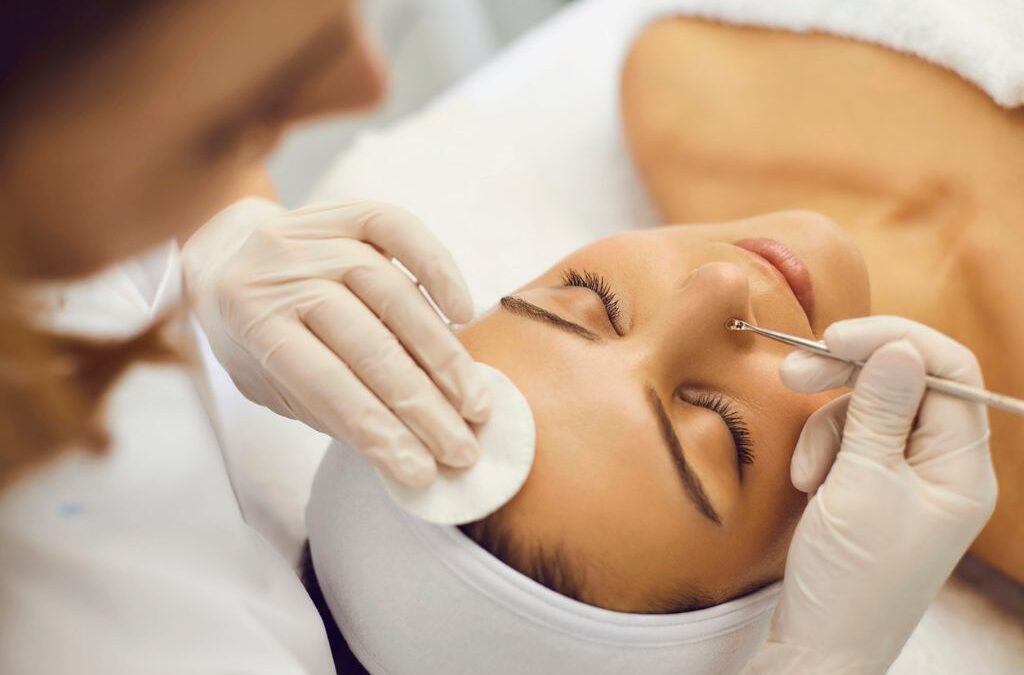
If extraction is necessary, professional extraction is generally safer.
A dermatologist can use sterile equipment and controlled pressure to remove stubborn blackheads without unnecessarily damaging the surrounding skin.
Home extraction tools also require caution. Although metal comedone extractors are widely sold, improper pressure or technique can injure the skin.
For persistent blackheads, professional treatment is preferable to repeatedly experimenting with extraction at home.
How Can You Prevent Blackheads?
The better long-term approach is preventing pores from becoming repeatedly clogged.
One ingredient dermatologists commonly recommend is salicylic acid.
Salicylic acid is a beta-hydroxy acid that can penetrate oily pores. It helps loosen oil and dead skin cells that contribute to clogged pores.
A cleanser containing salicylic acid can therefore be useful for people who regularly develop blackheads. However, stronger products should not automatically be assumed to work better.
Start gradually, particularly if your skin is sensitive.
Another option is a topical retinoid.
Retinoids encourage skin-cell turnover and can help prevent dead cells from accumulating inside pores. Prescription options such as tretinoin are available through medical professionals.
Adapalene is another retinoid that is available without a prescription in some markets. Retinol products are also widely sold, although they are generally less potent than prescription retinoids.
Nigerian consumers should also pay attention to product labels.
Look for products described as non-comedogenic, particularly if your skin is oily or acne-prone.
Avoid changing several products at once. Introducing multiple active ingredients simultaneously can make it difficult to identify what is irritating your skin.
A simple routine can be more useful than an overcrowded shelf.
A gentle cleanser, suitable moisturiser and daily sunscreen can form the foundation. An acne-focused ingredient can then be introduced according to your skin’s tolerance.
What About Pore Strips and Facial Scrubs?
Pore strips may provide an immediate feeling of cleaner skin.
However, they do not necessarily remove the entire blockage. They can mainly pull material from the surface while leaving deeper contents behind.
They may also irritate the skin, particularly when used frequently.
Harsh facial scrubs present another problem.
Scrubbing harder does not necessarily clean pores better. Excessive physical exfoliation can damage the skin barrier and increase irritation.
The same applies to aggressive home remedies.
Using abrasive substances simply because they are easily available does not make them appropriate for facial skin.
Instead, choose products designed for acne-prone skin and introduce active ingredients gradually.
When Should You See a Dermatologist?
Occasional blackheads are usually manageable with an appropriate skincare routine.
However, professional advice becomes useful when they keep returning despite consistent treatment.
A dermatologist can determine whether you are actually dealing with blackheads or another skin condition.
This distinction matters because small dots around the nose are not always blackheads. Some may be sebaceous filaments, which are normal structures that help move oil through the pores.
Trying to completely remove sebaceous filaments can lead to unnecessary irritation because they naturally refill.
For stubborn blackheads, dermatologists have additional treatment options. These may include professional extraction, chemical peels and certain laser treatments.
Some procedures can help reduce excess oil production and improve the appearance of congested pores.
Ultimately, blackhead removal should not become a cycle of squeezing and repairing damaged skin.
A better approach is to understand why the blackheads develop and control the factors contributing to them.
For Nigerian skin, that means considering your skin type, climate, products and tolerance for active ingredients.
Clean skin does not require aggressive treatment. Consistency, appropriate products and professional guidance can do more than repeatedly attacking individual blackheads.













Join the conversation