

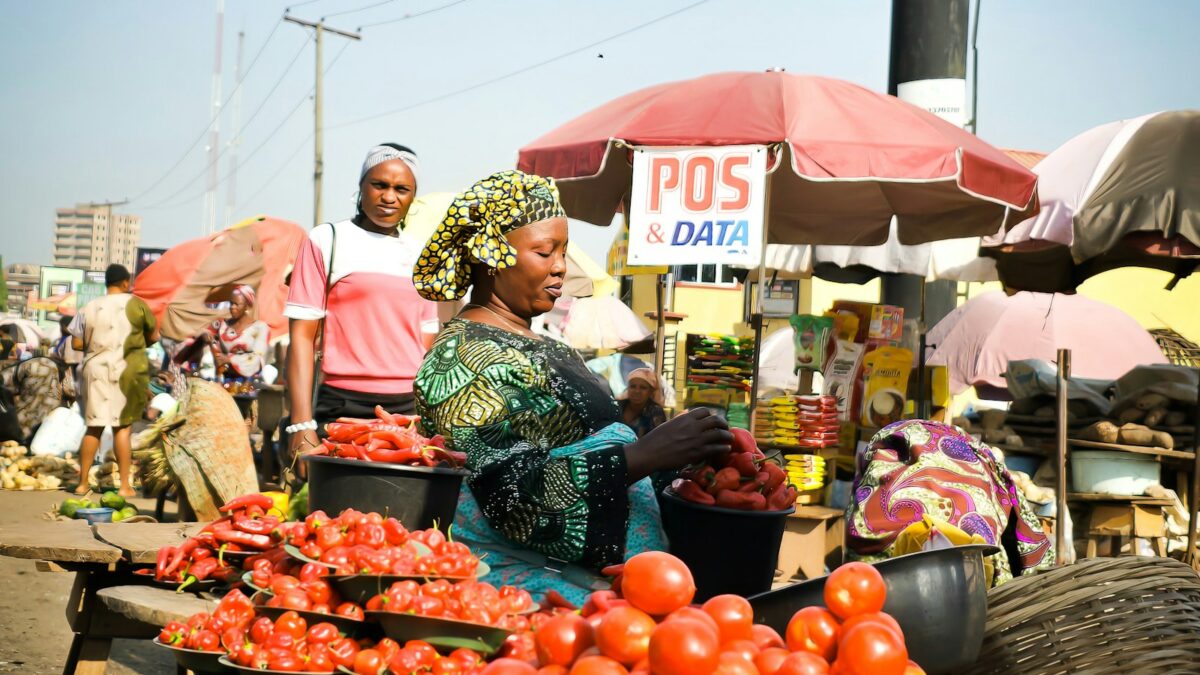
Tomato season is starting to turn in buyers’ favour. Back in June, tomato farmers in Nigeria said they expected prices to ease from October, when the new harvest from Jos, Kaduna, Kano and Gombe, along with farms in Ogun, Ondo, Oyo and the Badagry and Epe axis of Lagos, starts reaching the markets in big volumes. Prices still move from one market and one week to the next, but if you’ve watched a basket of tomatoes cost a small fortune earlier in the year, this is the window to buy well and store some for later.
Anybody who cooks for a Nigerian home knows that tomatoes are plentiful for a stretch, then the hot dry months come, supply drops and stew starts to feel like a luxury. In May 2016, Kaduna State declared a state of emergency after the Tuta absoluta moth destroyed about 80 per cent of its tomato farms, according to a notice on the International Plant Protection Convention website, and the scarcity that followed is still how many people remember that year. You can’t control harvests, but a few hours with a blender and a pot can carry you through the lean weeks.
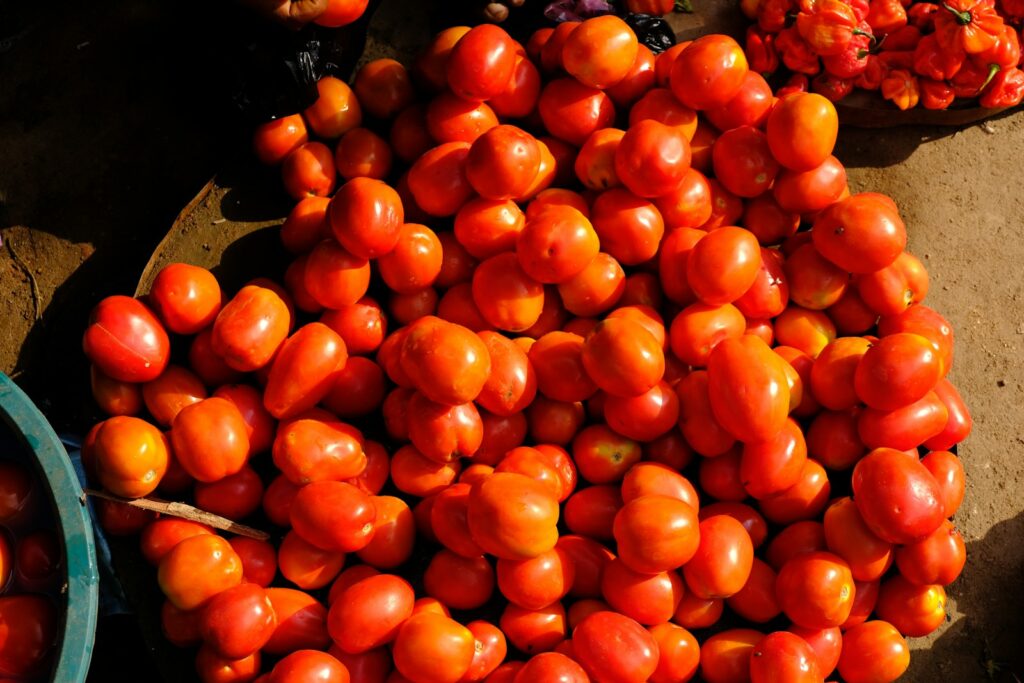
Buy firm, ripe tomatoes and sort them the same day
Good storage starts with what you pick at the market, so look for tomatoes that are fully red and firm, with no soft patches, cracks or black spots, and press a few gently before you agree a price for the basket. A basket always hides some bruised ones near the bottom, so when you get home, pour everything out, pick out the damaged tomatoes and use those first in tonight’s cooking rather than mixing them into the batch you plan to keep.
If a whole basket is too much for your household or your freezer, split one with a neighbour, a sibling or two colleagues. Bulk buying is where the savings really sit, and sharing keeps you from paying for tomatoes that end up spoiling in a corner of the kitchen. It works the same way for tatashe, shombo and rodo, which are worth buying alongside the tomatoes since most stew bases use all four.
Blend and freeze raw if you have steady power
Blending and freezing raw is the quickest way to store a basket. Wash the tomatoes and peppers, cut out the stems, add onions if you like and blend with as little water as you can manage. Pour the mix into small freezer bags or clean plastic containers in portions that match one pot of stew, press out the air and leave a little room at the top, because the liquid expands as it freezes. Label each bag with the date so you use the oldest first.
Raw blended tomatoes keep their quality in the freezer for a few months, and they cook straight from frozen. Some cooks also boil the blend for a while before freezing to reduce the water, which saves space and shortens cooking time later. Thaw only what you need, and don’t refreeze a bag that has fully thawed.
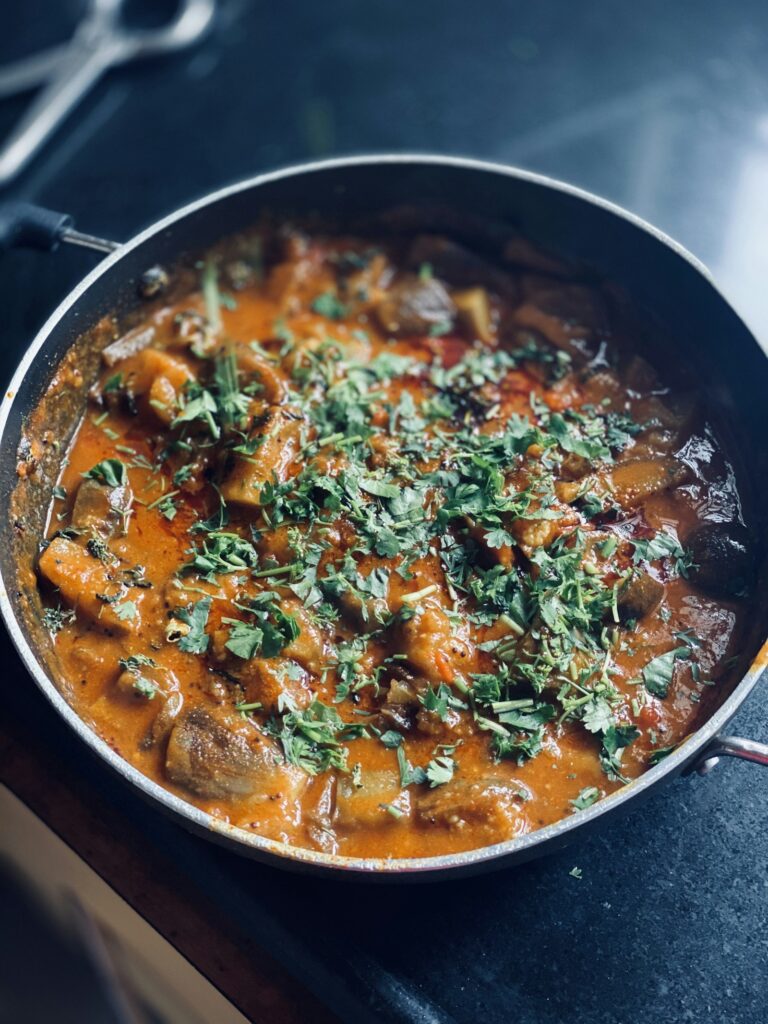
Cook it down into a stew base when light is unpredictable
If your area goes days without electricity, a cooked base is the safer choice. Boil the blended tomatoes and peppers until most of the water is gone, then fry the thick paste in oil with onions until it darkens slightly and the oil starts to float on top. That’s the base most Nigerian stews and jollof start from anyway, so on a busy weekday you only add your protein, seasoning and stock.
Because a fried base has far less water, it takes up less room and stays frozen for longer when the power goes off. Keep the freezer door shut during outages, since a full, closed freezer holds its cold much better than one that’s opened every few hours. If a container has thawed completely and sat warm for a long time, or it smells sour or shows mould, throw it away instead of trying to rescue it.
Sun-drying works the way many northern homes have always done it
Long before freezers, families in the North dried tomatoes in the sun, and you’ll still see dried tomatoes and peppers sold in markets across the country. Slice firm tomatoes into thin rounds or halves, lay them in a single layer on a clean tray or mesh, cover them with a light net to keep flies and dust away, and bring them indoors at night. Depending on the heat, they can take several days to dry fully.
They’re ready when they feel leathery or brittle with no moisture left inside. Store them in a dry, airtight container, and soak them in warm water before blending them into stew. The flavour is deeper and slightly smoky, which some people love and others take time to get used to, so dry a small batch first before committing a whole basket. As harmattan sets in, the dry air helps, though you should also prepare for what harmattan does to your skin and chest while you’re out in it.
A full freezer now makes December cooking far easier
The end of the year is when most homes cook the most, between visitors, end-of-year parties and the long list of owambes many people are already budgeting for, as this look at how aso-ebi season adds up for wedding guests shows. Having a few bags of stew base ready means one less trip to the market when everybody else is buying too.
If you’re unsure, start small by freezing five or six portions this week, then see how they cook and how your freezer copes with power cuts before you go back for a bigger batch while the harvest is still strong and prices are friendlier.













Join the conversation