

The harmattan season usually reaches Nigeria from late November and can hang around until about mid-March, carried by a dry, dusty wind that blows south from the Sahara. The rains tend to stop first in the North, often from around mid-October, and much later in the South, sometimes not until early December, so depending on where you live, the first hazy mornings could be only a few weeks away.
You already know the signs. Cracked lips, ashy legs by midday, a layer of dust on everything you own, cold mornings that turn into hot afternoons and a dry throat that refuses to go away. Getting a few things in place now makes the season much easier on your body and your home, and it means you won’t be rushing to the pharmacy on the first dusty Monday.
Your skin starts losing water long before it looks ashy
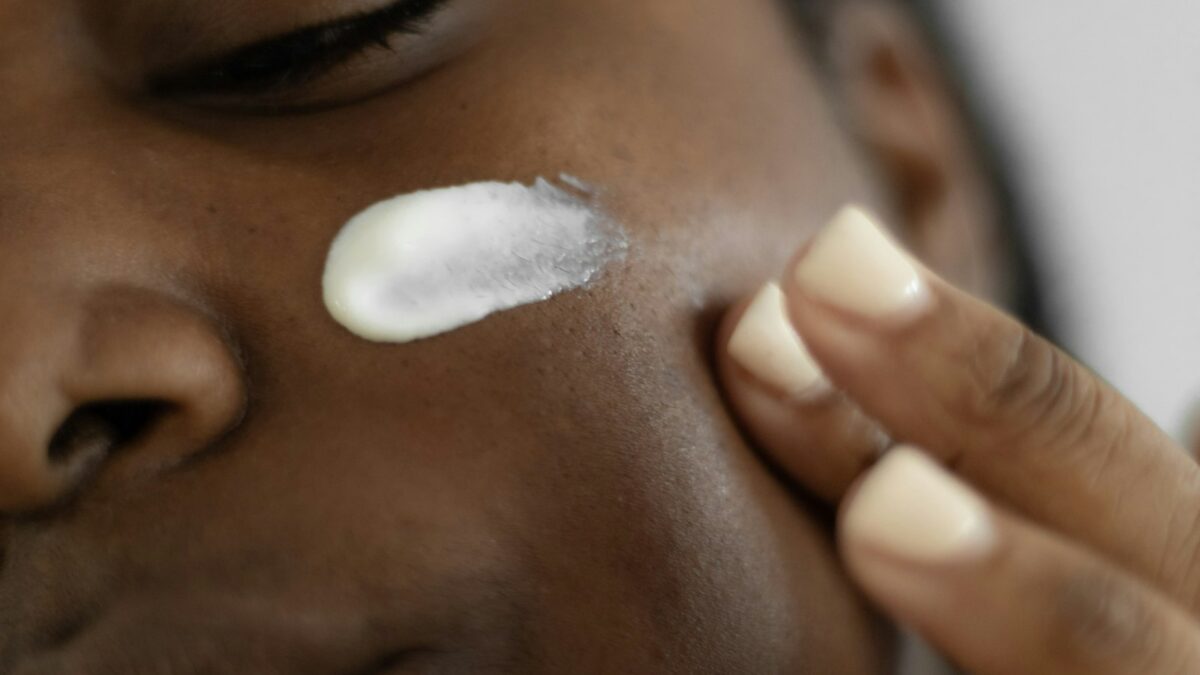
Harmattan air can get extremely dry, with relative humidity in some places falling below 15 percent, so the water in your skin evaporates faster than usual. Switching to a thicker moisturiser or body butter and applying it right after your bath, while your skin is still slightly damp, helps hold that moisture in. Many Nigerians already swear by shea butter for this, and you’ll find it alongside other trusted options in this piece on natural ingredients Nigerians have used for generations.
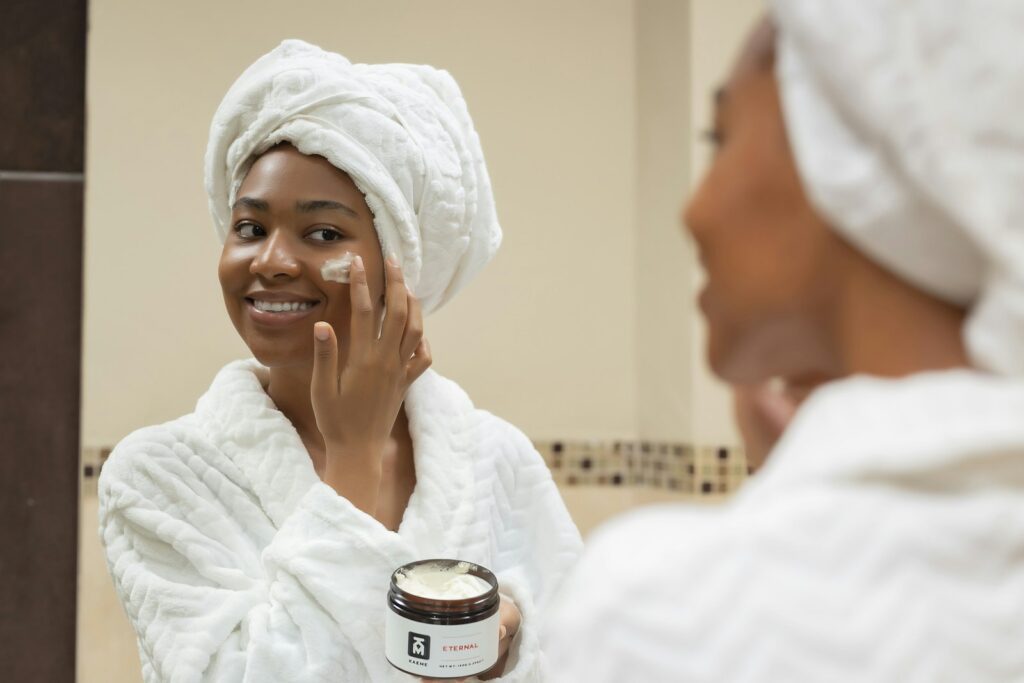
A very hot bath feels lovely on a cold harmattan morning, but it strips natural oils from your skin, so keep the water warm instead. Don’t forget your feet and heels, which crack easily when you’re walking around in slippers on dusty roads. Lip balm or a little petroleum jelly does far more for chapped lips than licking them, which only dries them out further.
Dust and dry air are hard on the chest, so plan early if you have asthma
The dust and dryness of the season can aggravate asthma and irritate the nose, throat and eyes, and some people get nosebleeds when the air is at its driest. If you or someone in your house has asthma or another breathing condition, speak to your doctor before the season sets in about whether anything in your treatment needs adjusting, and make sure any prescribed inhaler is in date and easy to reach.
Keep drinking water through the day, even though the harmattan cold makes you feel less thirsty than you really are. A face mask is useful on very dusty days, especially for okada and keke riders, traders in open markets and anyone who spends long hours outdoors. If a cough, fever or difficulty breathing doesn’t settle, see a doctor promptly instead of brushing it off as the weather. Staying active helps your general health through the dry months too, and these simple ways to stay fit without stress fit easily around a busy schedule.
Keep the dust outside and the fire risk down at home
Close your windows when the wind is blowing hard, and wipe surfaces with a damp cloth instead of a dry duster, which only throws the dust back into the air. Cover water storage containers and food, and clean your fan blades, AC filter and generator air filter more often than you would during the rains.
Dry grass and strong winds raise the risk of fire during harmattan. Avoid burning refuse near houses or farms, never leave a gas cooker, candle or mosquito coil unattended, and check that the hose on your gas cylinder isn’t cracked or loose. Keeping a fire extinguisher, or at least a bucket of sand, close to the kitchen is a sensible step for most homes.
Flying or driving home for December? Leave room for haze
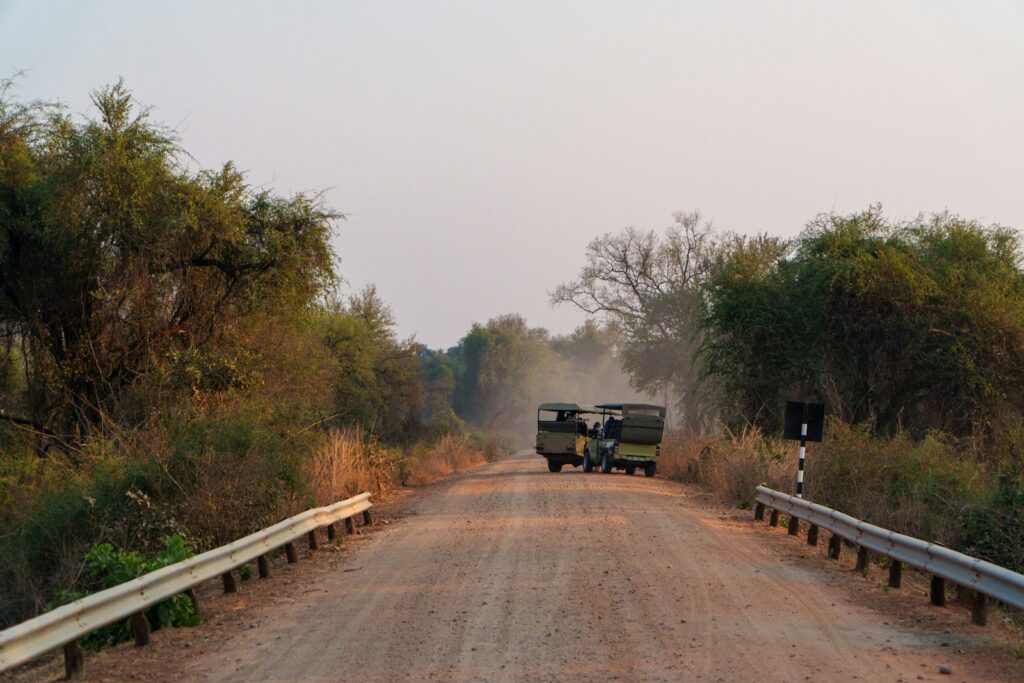
Harmattan haze can cut visibility enough to delay or divert flights, and the Nigerian Civil Aviation Authority has warned pilots and airlines about it in past seasons. If you’re travelling for Christmas, build some buffer time into your plans, follow your airline’s updates and check the latest forecasts from the Nigerian Meteorological Agency. On hazy roads, drive with your headlamps on, slow down and keep a safe distance from the vehicle in front.
Stock up on a good moisturiser, lip balm and any medication you rely on, sort out your windows and filters, and keep an eye on the forecast as the rains fade where you live. A little planning this month lets you enjoy those cool harmattan mornings instead of fighting them all season.












Join the conversation