

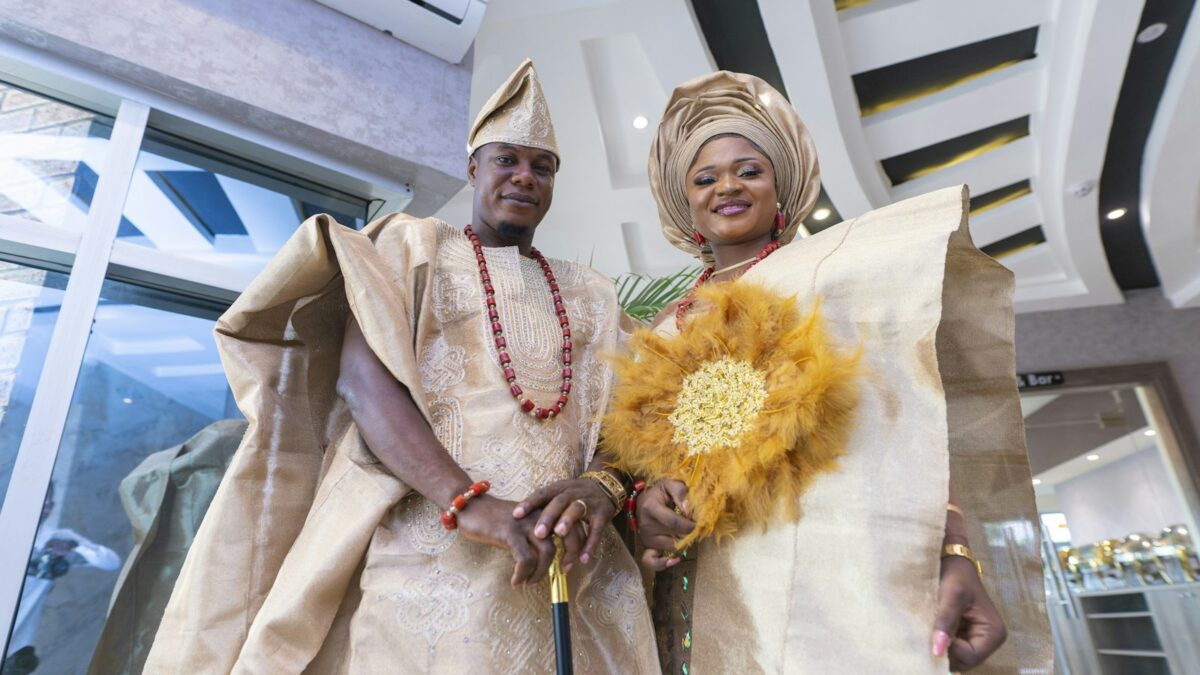
Aso-ebi, the matching fabric that a couple’s family and friends wear to show they belong to the celebration, is all over Nigerian WhatsApp groups right now, because the ember months are when a lot of couples choose to tie the knot. If your phone keeps buzzing with “please confirm your aso-ebi” messages and price lists, you’re not the only one quietly doing the maths before payday.
The word comes from Yoruba, where aso means cloth and ebi means family, but the practice now runs right across the country, from Igbo traditional weddings to Edo, Urhobo and Isoko ceremonies, and it shows up at burials, birthdays and chieftaincy events too. It’s a lovely way to show love and loyalty, and it can also swallow a whole salary when three friends get married within the same six weeks.
The fabric price is only the start of what aso-ebi really costs you
Most people budget for the fabric and forget everything that comes after it. There’s the tailor’s fee, which tends to climb as the date gets closer and every tailor in town gets busier. There’s the gele or cap, the matching shoes and bag, and sometimes a second outfit for the reception or the after-party. Then there’s transport, the gift for the couple and, if the wedding is in another state, a bus ticket or a full tank of fuel.
Some aso-ebi packages bundle extras like a gele or a souvenir, while others are just the cloth, so read the message properly before you pay. Ask whether the price covers anything beyond the fabric, when the payment deadline is, and whether there’s a separate colour or package for friends of the couple.
Make your December list before the next price list lands
Write down every wedding and event you’ve been invited to between now and early January, with the date, how close you are to the couple, and the aso-ebi price if it’s already out. Put a total at the bottom and compare it with what you actually have. Seeing everything in one place makes it much easier to decide where you’ll go all in and where you’ll attend in your own clothes.
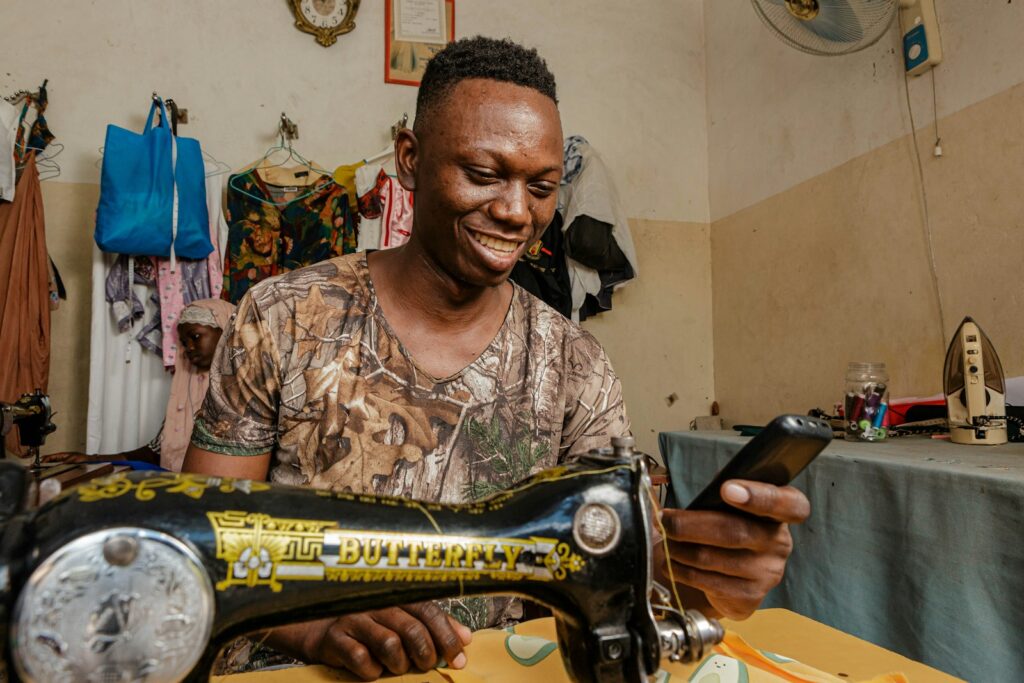
For the weddings you’re sure of, buy the fabric early and book your tailor at the same time. Tailors get swamped in November and December, which is exactly when outfits start arriving on the morning of the wedding, or not arriving at all. Dropping your fabric off early also leaves room for a fitting and any adjustments, so you’re not wearing something that pinches all evening.
Saying no to aso-ebi doesn’t mean you love them less
You don’t have to buy every aso-ebi you’re offered, and most couples understand that far better than we give them credit for. A short, warm message works better than silence or a last-minute excuse. Something like “I won’t be able to get the aso-ebi this time, but I’ll be there to celebrate with you” keeps the friendship intact and leaves no room for guesswork.
If you can’t attend at all, a heartfelt message and a gift you can genuinely afford, even a modest transfer, often means more to the couple than fabric that ends up sitting in your wardrobe. Close family and members of the bridal train usually carry different expectations, so if you’re in that inner circle, talk to the couple early instead of stressing about it in silence.
You can still match the vibe without buying the exact fabric
Many couples share their colours of the day alongside the aso-ebi details, so an outfit you already own in the right shade, plus a gele or cap to match, lets you blend into the photos without paying for the full package. This guide on what to wear to a Nigerian owambe without overdressing has more ideas for getting that balance right.
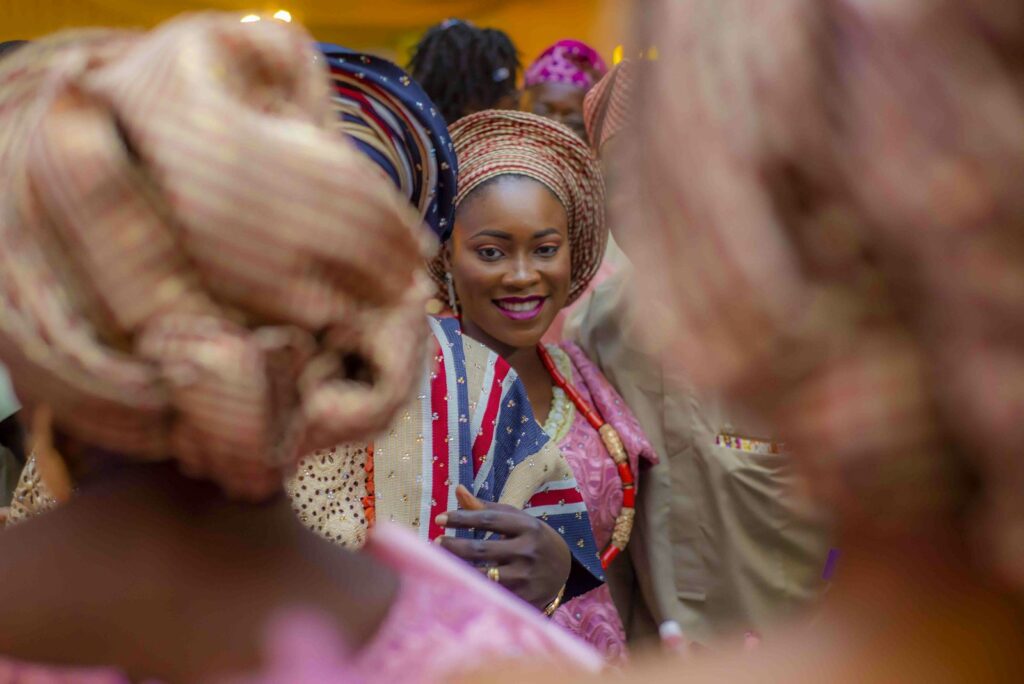
Old aso-ebi can come back to life too. A fabric you wore last year can be restyled with a new cut or an extra panel, and nobody at a different wedding will be checking your outfit history. If you love Yoruba fabrics in particular, the story of aso oke and how Gen Z is wearing it shows how younger Nigerians are reworking traditional cloth in fresh ways.
Getting married this season? Your guests will thank you for this
If you’re the one walking down the aisle, offering two price options, sharing details early and welcoming guests who simply wear your colours takes real pressure off the people you love. Open conversations about money as a couple help here as well, and this piece on talking about money before getting engaged explains why they matter. Every culture handles the big day differently, as these Yoruba, Igbo and Hausa wedding traditions show, but guests who feel welcome rather than squeezed is something every couple wants.
Pick the celebrations that matter most to you this season, budget for the whole outfit rather than just the fabric, and say no kindly where you need to. Your friends will remember that you showed up and danced with them long after they’ve forgotten what you wore.











Join the conversation