

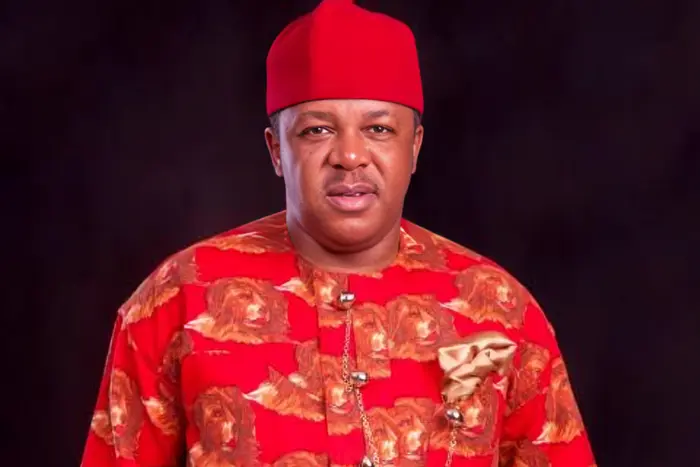
Francis Duru says Igbos built Nollywood but let the Yorubas take over through better organisation. Here’s why his comments have Nigerians talking.
So Francis Duru just said the thing everyone whispers about Nollywood out loud, and now the internet won’t calm down.
The veteran actor sat down for an interview and basically told his own people, “we built this house and then handed over the keys.” His point? Nollywood came from Igbo hands, but somewhere along the line, the Yoruba side of the industry got organised, got strategic, and ran away with the spotlight, especially on platforms like Netflix.
And he didn’t hold back
“The Yorubas are organized, that’s why they’ve taken over Nollywood and every other entertainment industries which were created by the Igbos. The Igbos need to learn from them,” he said.
Here’s the part that stings a bit. Duru isn’t just blaming the Yorubas for playing smart. He’s blaming his own tribe for not playing at all. “Go to Netflix today. You hardly see one Igbo film that speaks of Igbo heritage. It’s annoying. It’s so shameful,” he added.
That’s a hard thing to hear from someone who’s been in the industry since the late 90s. But he wasn’t done.
To back up his claim of Igbo ownership, Duru went back to where it all started, pointing to Kenneth Nnebue and the 1992 classic Living in Bondage, the film most people credit as the spark that lit up Nollywood as we know it. His argument is simple: if Igbos started this whole thing, how did they end up on the sidelines?
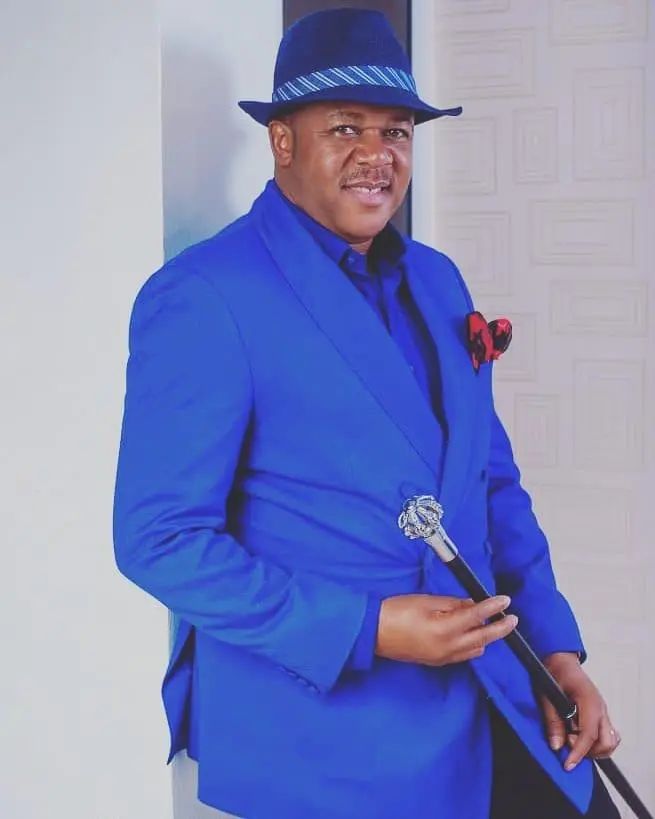
“Don’t get angry with them. These are people who saw their own and protected their own. What happened to you?” he asked, and honestly, that question is going to sit with people for a while.
He also took a swing at Yoruba producers telling Igbo stories, calling out the popular series Ahamefuna specifically. His issue is that when other people tell your story, they can get the culture wrong, even with the best intentions.
Now, whether you agree with Duru or not, you can already tell why this is blowing up online. It touches culture, pride, industry money, and old tribal rivalries all at once. That’s a lot of buttons to press in one interview.
People are picking sides, some saying he’s just speaking a hard truth, others saying he’s oversimplifying a complicated industry.







Join the conversation