

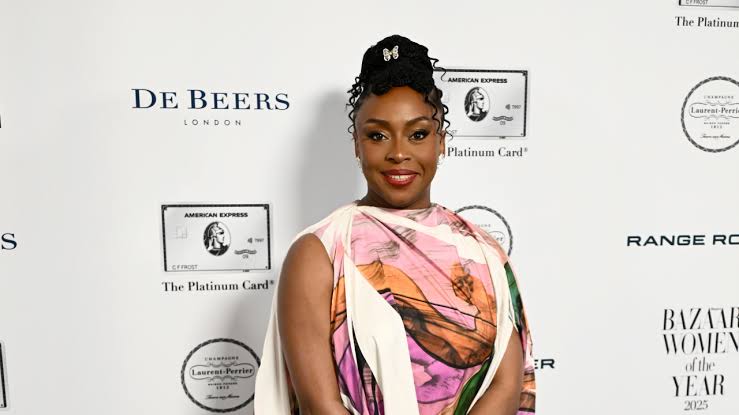
Chimamanda Adichie speaks candidly about her son Nkanu’s death, why she and her husband chose cremation, and how the loss changed her feelings about Nigeria.
Grief has a way of showing up in the smallest places. For Chimamanda Ngozi Adichie, it’s in a highchair still sitting beside its twin at the dining table. It’s in folded baby clothes upstairs that nobody’s touched in months.
The celebrated author lost her 21-month-old son, Nkanu, back in January. He’d been at a Lagos hospital for a routine MRI when things went terribly wrong. Doctors gave him Propofol to keep him calm for the scan, and he went into cardiac arrest. He didn’t make it.
Adichie says a doctor later told her, plainly, that they’d given him too much of the drug. That’s a sentence she says she’ll never forget.
There’s an ongoing investigation into what happened, and a medical board has already flagged three doctors involved in his care over possible negligence. The hospital denies doing anything wrong. But for a mother, the legal back-and-forth is almost beside the point. Her son is gone.
Here’s where the story gets even more personal. Adichie and her husband, Ivara Esege, had already buried too many people in recent years, her parents, his brother. So when Nkanu died, she remembers turning to her husband and asking something simple but devastating: did they really have to go through another funeral?
They decided to cremate him instead. Her reasoning was almost tender: they couldn’t leave him behind. Wherever they went next, he’d go with them.
That decision has actually become part of a legal dispute now, since the hospital is arguing the cremation happened before an official inquest could take place. Grief and legal process rarely move at the same speed.
She even mentioned her toddler son sometimes pulling away from her hugs because she’s too weepy. Try carrying grief like that quietly, while still showing up for a two-year-old every single day.
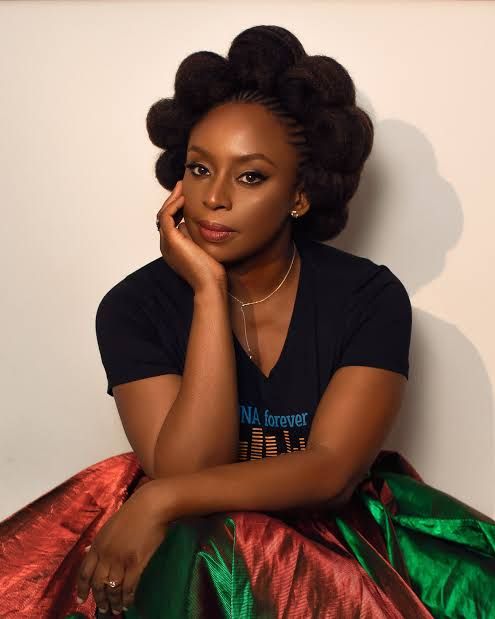
Nigeria used to mean everything to her, childhood, holidays, inspiration for her writing. But now, when asked if she still felt Nigeria was home, her answer was blunt: she doesn’t want to go back.
That’s a heavy shift for someone who’s spent her whole career writing Nigeria into the world’s imagination. Sometimes loss doesn’t just take a person. It quietly takes a place too.










Join the conversation