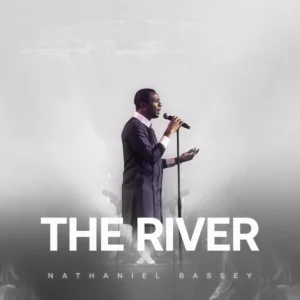


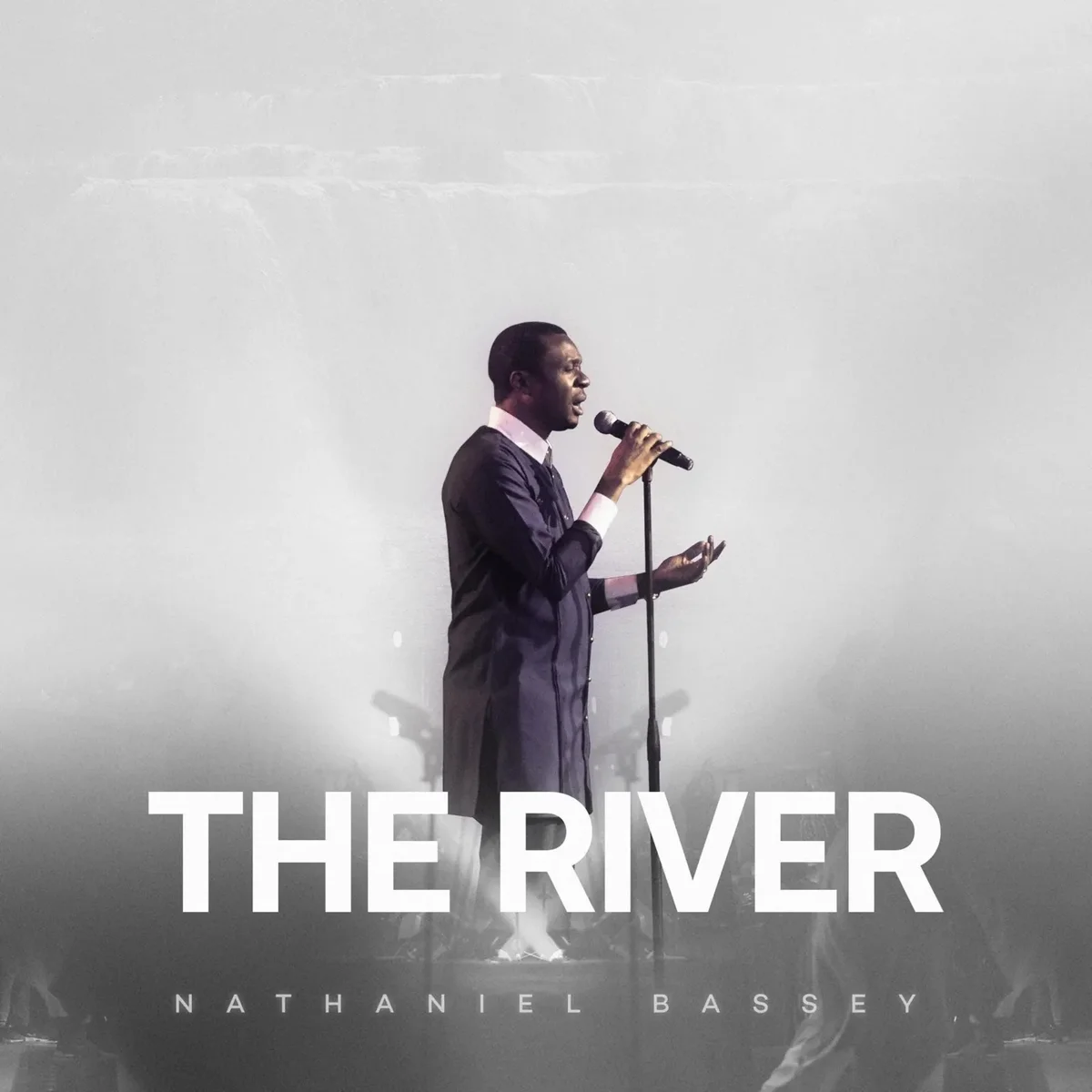
Artist: Nathaniel Bassey
Song: Yahweh Sabaoth
Album: The River
Genre: Gospel
Released: December 2023
Duration: 11:41
Walk into many Nigerian vigils this season and there is a good chance you will hear “Yahweh Sabaoth”. Nathaniel Bassey’s worship song has become one of the go-to songs for night prayers and fasting programmes.
Every month, money comes in.
And somehow, it all goes out. Sound familiar?
What if a little stayed back for you?
Autosave
PiggyVest saves it for you, automatically.
Daily, weekly or monthly. You choose, and it just happens.
Safelock
Lock it away. Even from yourself.
Keep your hands off money you've set aside, and get your interest paid upfront.
Small money adds up fast.
If you put aside ₦500 a day
In one year, you'd have set aside
Before any interest. Slide to try your own amount.

Bassey first dropped it as a single in December 2023, sharing a live performance on his YouTube channel. A year later it took the second spot on his album The River, released on December 12, 2024.
The River also carries a live take of “Iba”, the song he first released with Dunsin Oyekan and Dasola Akinbule, so both belong on the same playlist. Tribune Online even counted “Yahweh Sabaoth” among the gospel songs Nigerian churches are singing most in 2026.
Watch the live performance below, then keep the worship going with the audio player at the end.
Ten news sites. Ten tabs. Zero time.
One feed
Nigeria's news, all in one place.
Newspapers, broadcasters and online publishers, side by side.
Always fresh
Updated every few minutes.
Open it any time and see what just happened.
The full picture
One story. Many voices.
See which other outlets covered the same story, then read it on the publisher's own website.
What do you want to read today?
Tap a topic. NigeriaBrowser has a section for each one.
Start reading now →What “Yahweh Sabaoth” really means
The title is Hebrew. Yahweh is the personal name of God in the Old Testament, and Sabaoth means armies or hosts, so together it is the name English Bibles render as “the LORD of Hosts”. It pictures God as the commander of heaven’s armies.
That helps explain where the song is used. Tribune Online described it as a fixture of solemn, prayer-focused worship, especially at vigils and fasting programmes, the moments when believers want to call on God as the One who fights for them.