

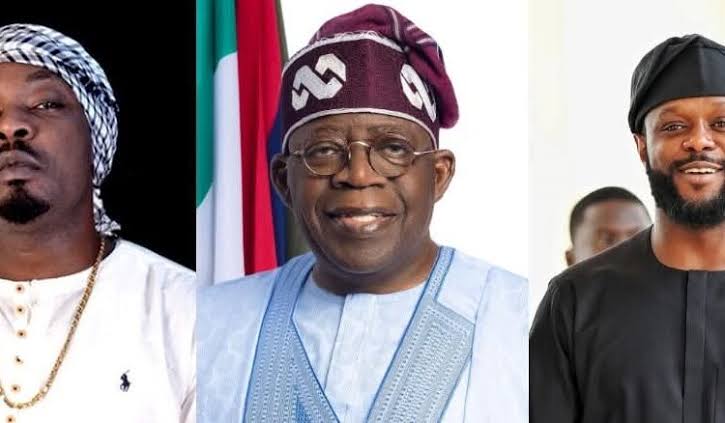
Eedris Abdulkareem’s ‘Jaga Jaga’ got banned from radio and made a sitting president really angry. Here’s the full story behind the song that won’t go away.
Can one song really get under a president’s skin? In 2004, Eedris Abdulkareem showed that it can.
His track “Nigeria Jaga Jaga” didn’t just get people dancing. It caught the attention of then-President Olusegun Obasanjo and ended up banned from radio. People kept playing it in clubs and on the streets anyway.
Why it hit so hard
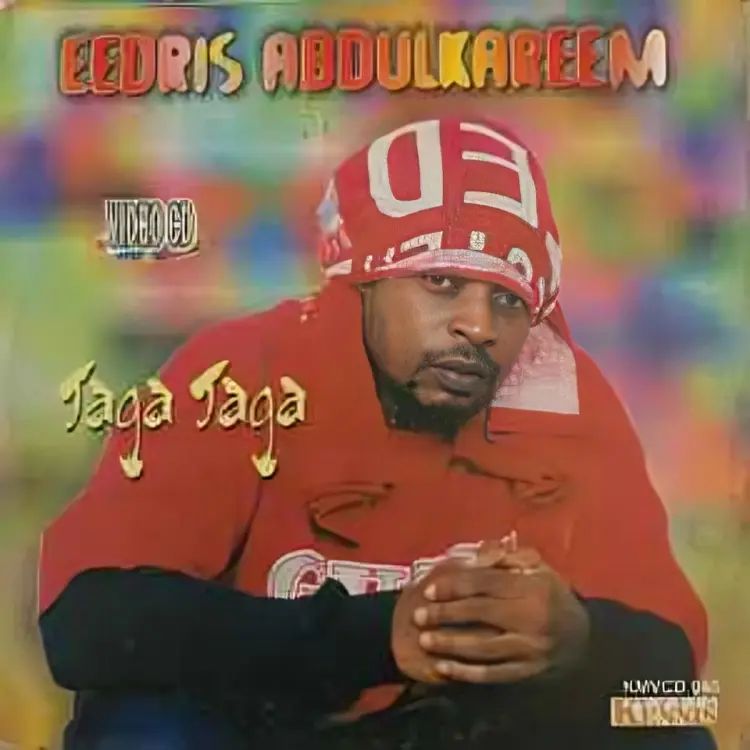
The song came from his third album, also called Jaga Jaga. It talked about corruption, poverty and insecurity in words anyone could understand. He even compared crooked politicians to armed robbers.
If you were tired of waiting for democracy to improve your life, it probably felt like he was saying what you couldn’t.
Here’s the part Eedris loved. He later said someone called to tell him to switch on his TV because Obasanjo was talking about him. The president said some harsh things about the singer and even dragged his parents into it.
Most people would’ve been upset. Eedris was happy. As he told Channels TV in 2020, “I was very happy that my message got to the president.”
And Obasanjo didn’t let it go. In August 2012, at a Nigeria Leadership Initiative forum in Lagos, he brought the song up again. He said Nigerians had lost belief in themselves and their country, and he called the whole “jaga jaga” idea “the height of blasphemy.”
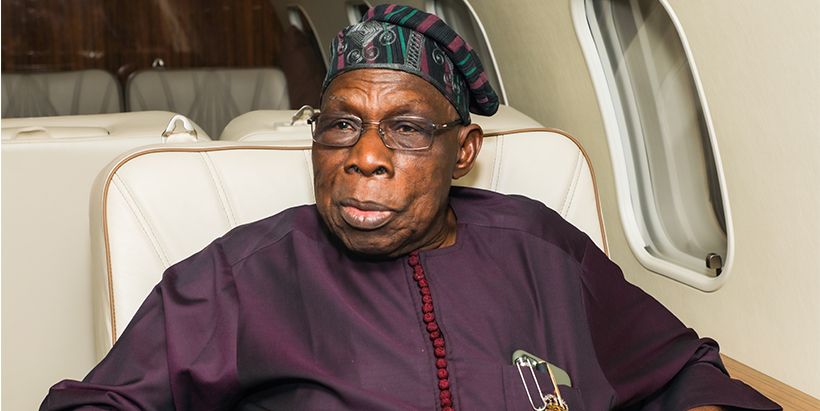
So what was this really about? It was bigger than a catchy tune. It was a fight over whether calling out your country’s failures means you’re attacking the country itself.
Not his first rodeo
This wasn’t Eedris’s first uncomfortable song. Before “Jaga Jaga” came “Mr Lecturer,” which tackled sexual harassment in Nigerian universities. After it came “Country Hard” and “Egunje,” which dealt with poverty, extortion and inequality.
Speaking up was just what he did.
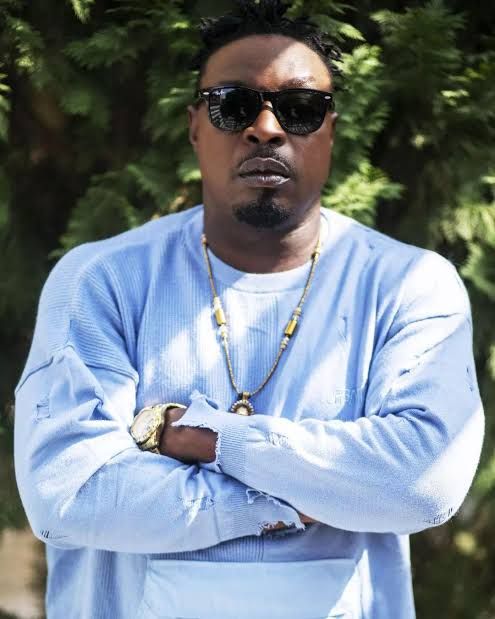
Fast forward to 2025. Eedris dropped “Tell Your Papa,” aimed at President Bola Tinubu’s administration through his son, Seyi. It spoke about hunger and hardship, and people picked it up fast online.
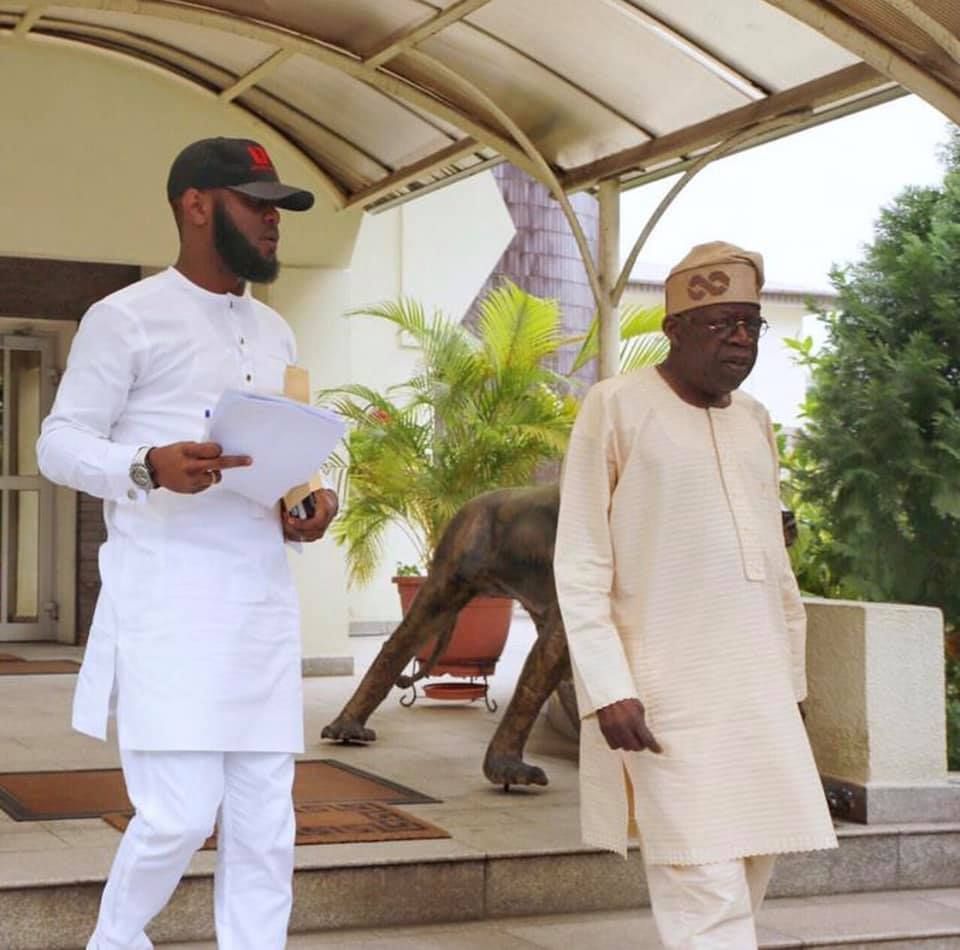
On April 9, 2025, the National Broadcasting Commission told radio and TV stations not to air it, labelling it “Not To Be Broadcast.” Sound familiar? The song still spread online and on streaming platforms.
Maybe the saddest bit isn’t that Obasanjo disliked the song. It’s that years later, Eedris could still say the song’s complaints hadn’t gone away. “Nigeria is still jaga jaga,” he said in that 2020 interview.
Two decades on, a banned song is still the thing people reach for when things feel tough. That says a lot.










Join the conversation