

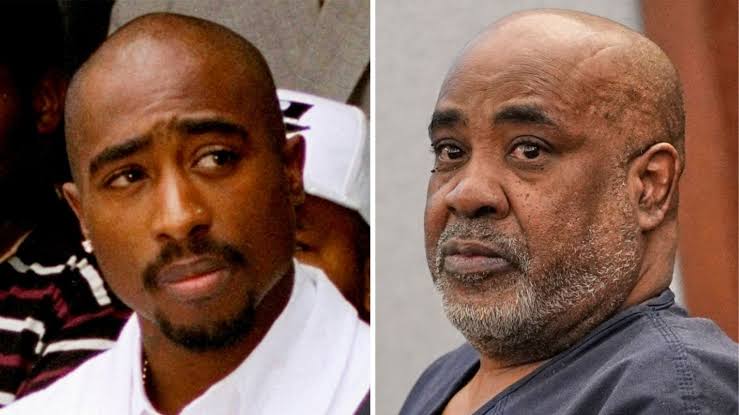
Keffe D was given 40 years to life for Tupac’s 1996 murder. Here’s what the judge told him, what prosecutors heard on his jail calls, and what happens next.
Thirty years. That’s how long it took for anyone to be held responsible for Tupac Shakur’s murder. On Tuesday, a Las Vegas judge sentenced Duane “Keffe D” Davis to 40 years to life in prison.
Davis is 63, and he could have been handed life without parole. Even so, prosecutor Marc DiGiacomo said he’s “guaranteed to die” behind bars.
Judge Carli Kierny gave him 20 years to life for the murder, then added another 20 to life for the deadly weapon. A jury had found him guilty of first-degree murder in late August.
Here’s the part people can’t stop discussing. Prosecutors say Davis’s phone calls from jail were recorded, and he was chatting about a TV show based on his own life. Yes, really.
DiGiacomo told the court it proved that after all this time, Davis still hadn’t grown up.
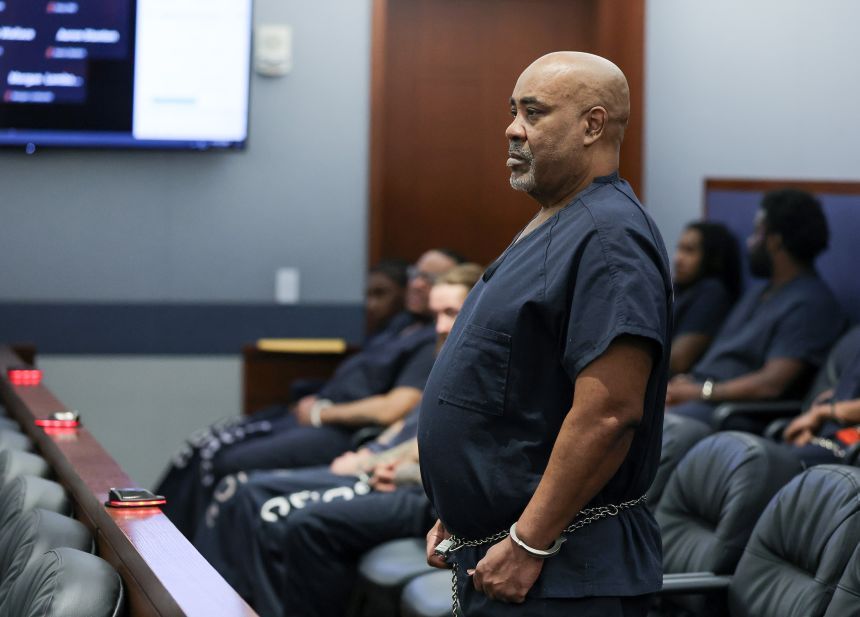
The judge wasn’t buying his story either. She said she’d heard the same thing for three years: he was involved, but he’d moved on, left Compton, become a grandfather. Her reply was simple. Time passing doesn’t let you walk away from taking a life.
Tupac was shot on the Las Vegas Strip on September 7, 1996. He died six days later.
Prosecutors say Davis planned the drive-by to get back at Tupac, after Tupac and his people beat up Davis’s nephew at the MGM Grand earlier that night.
Davis wasn’t accused of pulling the trigger. Prosecutors argued he supplied the gun. Strangely, nobody has ever named the shooter. Davis is the only person charged and the only one convicted.
Much of the case rested on Davis’s own words, from media interviews and a memoir. His lawyer, Michael Sanft, argued those were the only things tying him to the crime, and he says an appeal is coming.
Davis chose not to speak in court, not even to Tupac’s family. His sister did, though. She remembered her brother as a protector and a father figure.
Three decades is a long wait for an answer, even a partial one. There’s finally a name on a sentence. But who actually fired those shots? So far, nobody’s answered that.









Join the conversation