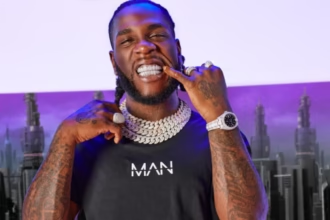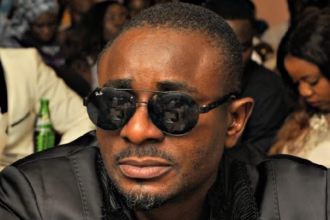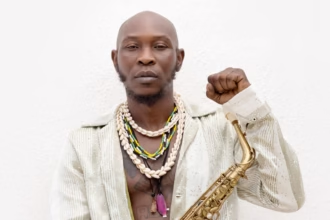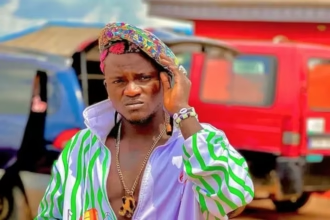






Isoko people have made remarkable contributions to Nigerian entertainment, sports, and politics, yet many don’t realize how many famous faces trace their roots to this Delta State region. While names like Warri and Urhobo often dominate Delta State celebrity conversations, Isoko has quietly produced some of Nigeria’s biggest stars.
The Isoko ethnic group, comprising 19 clans spread across Isoko North and Isoko South Local Government Areas, has a rich cultural heritage and a history of producing exceptional talent. From music production to football excellence and political leadership, Isoko indigenes have left indelible marks on Nigerian society.
Here are five celebrities whose Isoko origins might surprise many Nigerians.
1. Don Jazzy – Music Producer and Mavin Records Boss

Michael Collins Ajereh, universally known as Don Jazzy, is one of Africa’s most successful music producers and record label executives. As the founder and CEO of Mavin Records, he has shaped the careers of countless Nigerian artists including Tiwa Savage, Rema, Ayra Starr, and many others.
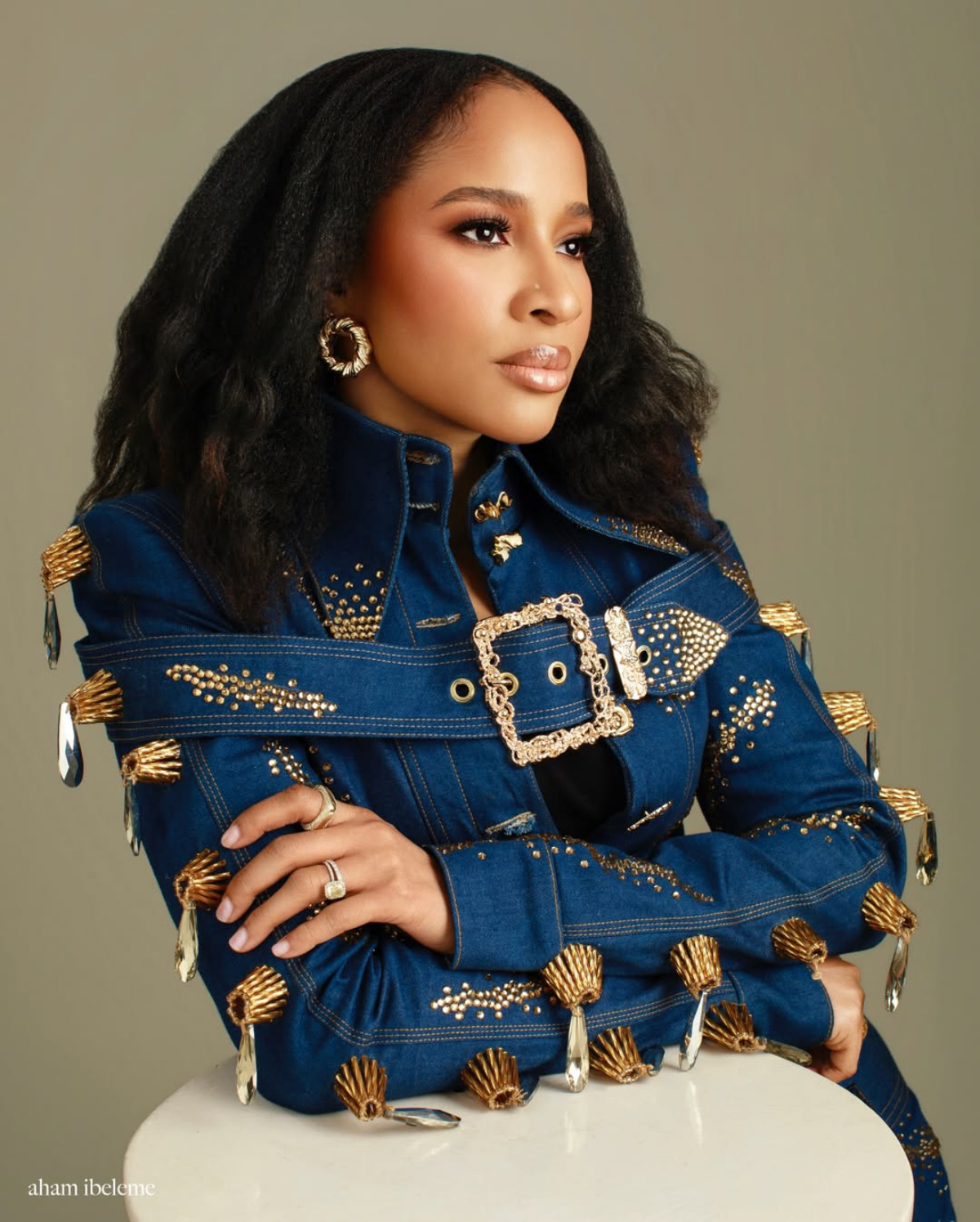

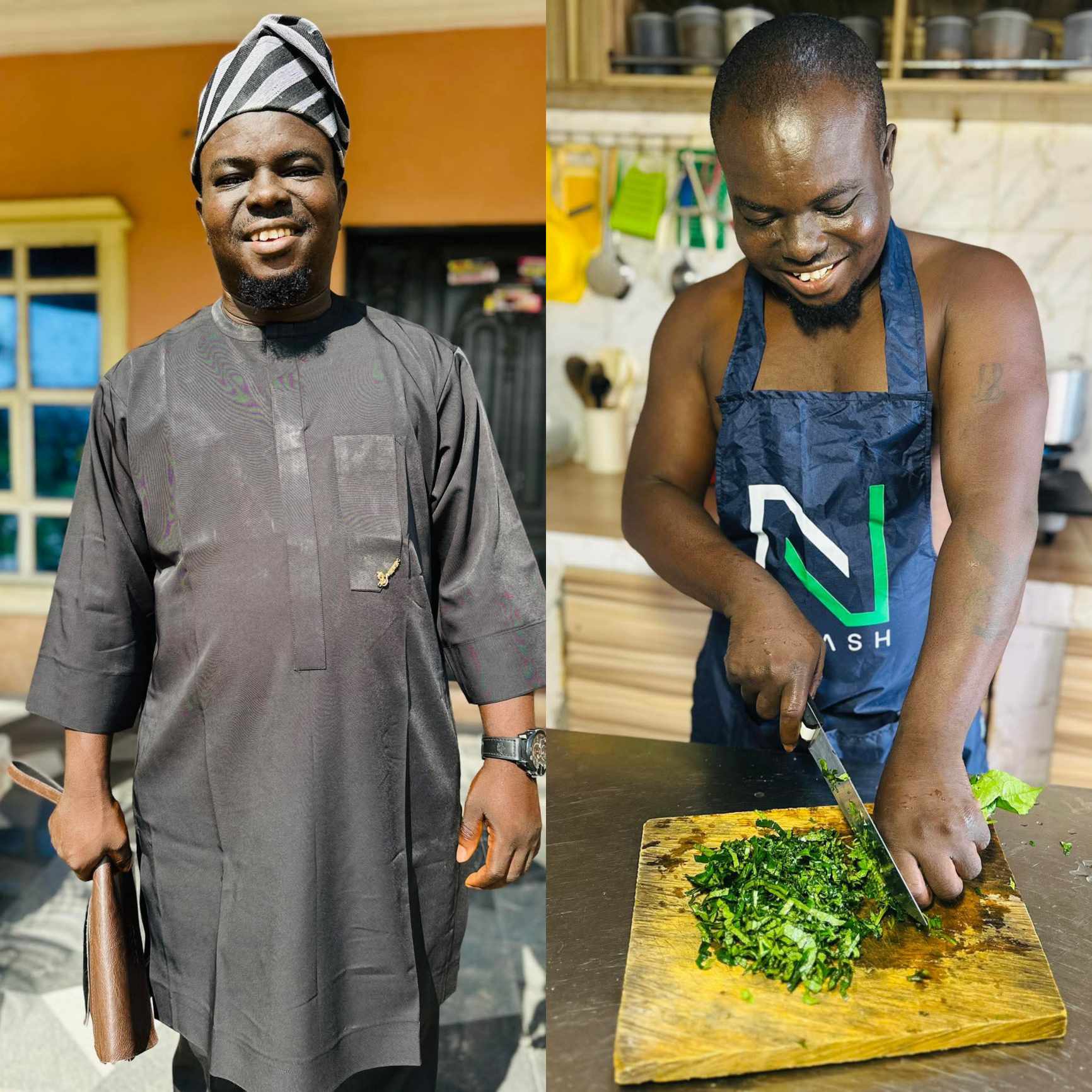
What many people don’t know is that Don Jazzy’s father, Collins Enebeli Ajereh, hails from Isoko in Delta State. While Don Jazzy was born in Umuahia, Abia State to an Igbo mother who was a princess, his paternal roots run deep in Isoko soil.
The music mogul’s family moved to Ajegunle, Lagos when he was young, where he grew up and developed his passion for music. By age 12, he was already playing bass guitar and piano, showing the musical talent that would eventually make him one of Africa’s most influential producers.
Don Jazzy co-founded Mo’ Hits Records with D’banj in the 2000s, producing hits that defined an era of Nigerian music. After the label’s dissolution, he founded Mavin Records in 2012, which has become one of the most successful record labels in Africa.
His production style has influenced countless artists, and his business acumen has made him a mogul respected across the entertainment industry. The Isoko blood flowing through his veins clearly carries the talent and determination that Delta State is known for.
Despite his massive success and influence, Don Jazzy remains relatively private about his personal life and family background, which is perhaps why many fans never connected him to Isoko heritage.
2. Victor Ikpeba – The Prince of Monaco

Victor Nosa Ikpeba, born June 12, 1973, is one of Nigeria’s greatest ever footballers. During his playing career, he earned the nickname “The Prince of Monaco” for his exceptional performances with AS Monaco in France.


Ikpeba hails from Owhelogbo community in Isoko North Local Government Area of Delta State. His father, an Air Force personnel who also played football, was from Isoko, while his mother was Yoruba. Though Victor was born in Benin City and grew up in Sapele, his Isoko roots shaped his identity.
His football journey began on the streets of Sapele, where he attended Crowder Primary School under his grandmother’s care. His talent was undeniable from a young age, leading to his selection for Nigeria’s Golden Eaglets team that participated in the 1989 FIFA U-17 World Championship in Scotland.
Belgian club RFC Liège discovered him during that tournament and brought him to Europe alongside teammate Sunday Oliseh. At just 20 years old, after scoring 17 goals in the 1992-93 season, French giants AS Monaco signed him under the management of legendary coach Arsène Wenger.
Ikpeba’s career highlights are impressive. He helped Nigeria win the 1994 African Cup of Nations and the 1996 Olympic Gold Medal in Atlanta. His outstanding form after the Olympics, including 13 league goals that helped Monaco win the French league title, earned him the African Footballer of the Year award in 1997.
He played 31 international matches for Nigeria, scoring seven goals, and featured in the 1994 and 1998 FIFA World Cups. His club career included spells at Borussia Dortmund, Real Betis, and several other European clubs before retirement.
Today, Victor Ikpeba works as a football analyst and pundit, co-hosting shows on SuperSport. He remains proud of his Isoko heritage and continues to inspire young footballers from Delta State and beyond.


His story demonstrates that small communities can produce world class talent when given opportunity and support.
3. Jonathan Akpoborie – Nigerian Football Legend
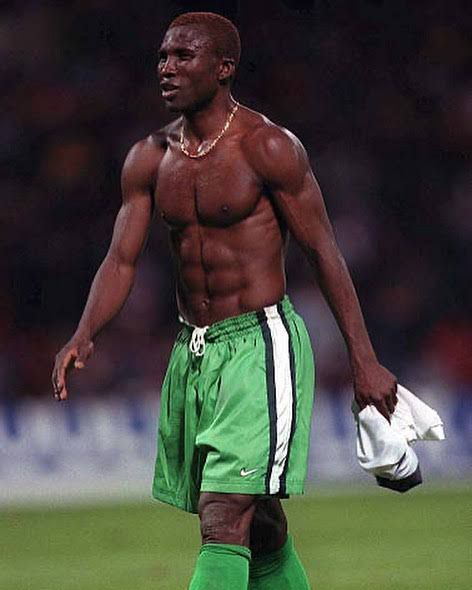
Jonathan Akpoborie, born October 20, 1968, is another football star with Isoko connections. The former Super Eagles striker spent the majority of his playing career in Germany, where he became a fan favorite and goal-scoring sensation.
Akpoborie started his professional career with Julius Berger in Nigeria before moving abroad. In 1990, he joined German club 1. FC Saarbrücken, beginning a successful German football journey that would span over a decade.
His most productive season came with Stuttgart Kickers, where he scored an incredible 37 goals in one season. This goal-scoring prowess earned him moves to bigger clubs including Hansa Rostock, VfB Stuttgart, and VfL Wolfsburg.
For Nigeria, Akpoborie was part of the team that won the inaugural FIFA U-16 World Championship in 1985, scoring in the final against West Germany. He featured in the 1987 FIFA World Youth Championship and made 13 appearances for the senior Super Eagles, scoring four goals.
Interestingly, Akpoborie played in the 1997-98 UEFA Cup Winners’ Cup as one of two Nigerian footballers to reach a European Cup final that year, alongside Taribo West. Despite his form, he was controversially dropped from Nigeria’s 1998 World Cup squad, a decision that shocked many fans and analysts.
Beyond football, Akpoborie ventured into the maritime industry during his playing days, running a shipping agency with his family. Though this business faced controversies, it demonstrated his entrepreneurial spirit beyond the pitch.
Akpoborie’s connection to Isoko is documented in various sources listing notable Isoko people, and his contributions to Nigerian football from that region deserve recognition alongside more celebrated names.
4. Moses James – Olympic Boxer and World Champion
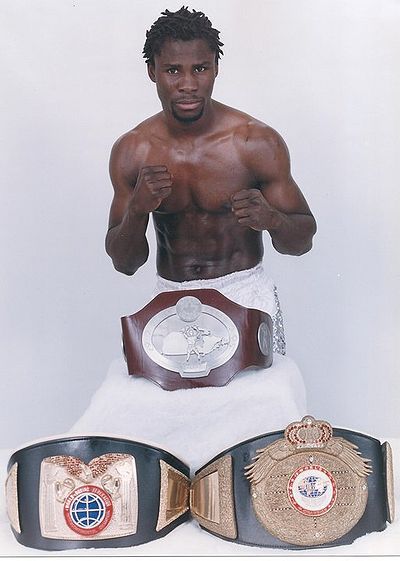
Moses Opute James, also known as “Eagle,” born June 25, 1968, is an Isoko boxing legend who represented Nigeria at the highest levels of the sport.
Moses James competed in the light welterweight event at the 1992 Summer Olympics in Barcelona, Spain, bringing honor to Nigeria and his Isoko homeland. But his achievements extend far beyond Olympic participation.
James won over 22 gold medals during his amateur career, compiling an incredible record of 102 wins, 4 losses, and 0 draws. This remarkable amateur success established him as one of Nigeria’s greatest boxers and a pride of the Isoko nation.
After the 1992 Olympics, Moses James moved to Canada where he began his professional boxing career. He quickly rose through the ranks, eventually becoming a two-time world boxing champion. His success in professional boxing proved that his amateur dominance wasn’t a fluke but rather the foundation of genuine world-class ability.
Boxing requires not just physical strength but mental toughness, discipline, and unwavering determination. Moses James embodied all these qualities, representing Isoko and Nigeria with distinction on the global stage.
His story is particularly inspiring because boxing, unlike football, doesn’t offer the same level of infrastructure and support in Nigeria. James succeeded despite these challenges, carving out a successful career through sheer talent and determination.
Today, Moses James stands as a reminder that Isoko has produced champions across diverse sports, not just football. His achievements deserve greater recognition in discussions about Nigerian sporting heroes.
5. Terry Apala – The Apala Hip Hop Pioneer
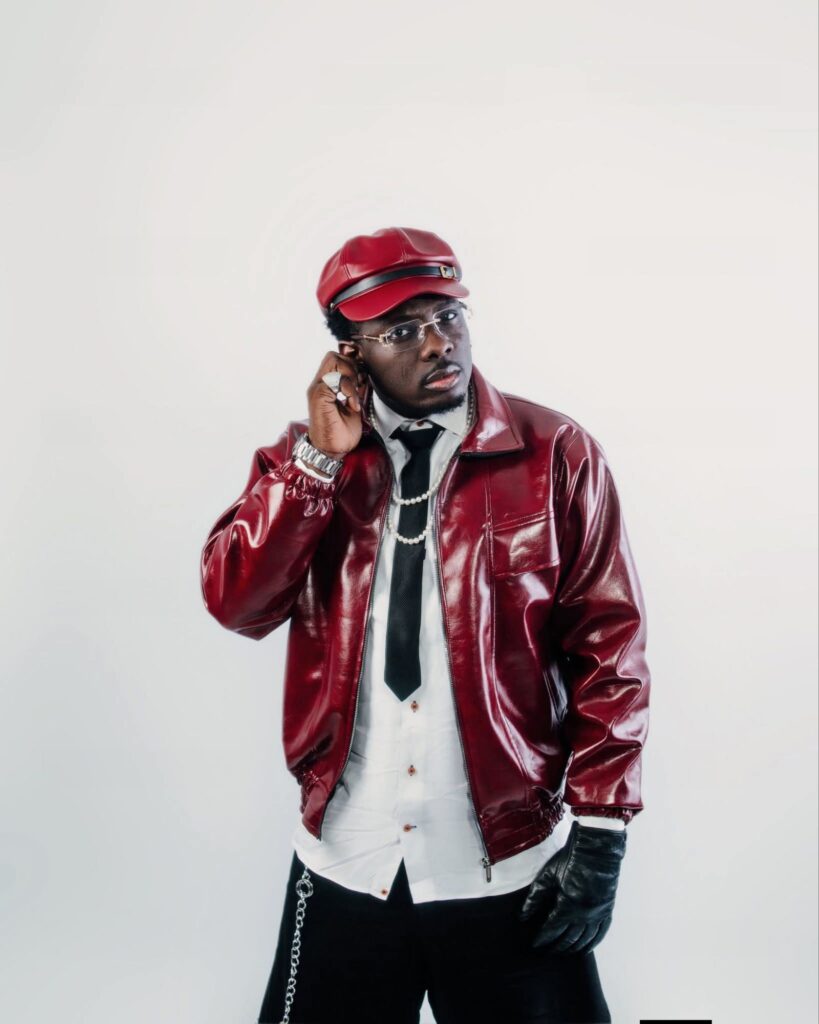
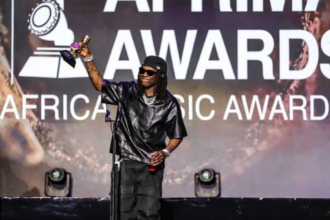
Terry Alexandar Ejeh, popularly known as Terry Apala, born October 31, 1988, is a Nigerian musician who created an entirely new music genre by fusing traditional Yoruba Apala music with hip hop. What makes his story even more remarkable is that he’s not Yoruba at all, he’s from Isoko, Delta State.
Terry Apala hails from Ozoro in Isoko, Delta State, though he grew up in the bustling streets of Ajegunle and Mushin in Lagos. Growing up in predominantly Yoruba neighborhoods, he fell in love with Apala music, a traditional Yoruba percussion-based genre that originated in the early 20th century.
Despite facing discouragement from people who told him he couldn’t master Apala music because he wasn’t Yoruba, Terry persisted. He studied the genre deeply, learning its rhythms, vocal patterns, and cultural significance. His dedication paid off when he successfully fused Apala with modern hip hop, creating what he calls “Apala Hip Hop” or “Apala Nouveau.”
His breakthrough came in 2016 with the hit single “Champagne Showers,” which showcased his unique sound and caught the attention of music lovers across Nigeria. The song’s success earned him a nomination for “Rookie of the Year” at the prestigious Headies Awards in 2016.
Terry Apala’s talent attracted collaborations with some of Nigeria’s biggest music stars. He has worked with Don Jazzy, Flavour, MI Abaga, Falz, Olamide, and even Wizkid. One of his most popular collaborations is “Apala Disco” with DJ Tunez, which became a club anthem and further cemented his place in the Nigerian music industry.
What sets Terry Apala apart is his authenticity and innovation. He didn’t just copy Apala music, he reimagined it for a new generation while respecting its roots. His fusion sound appeals to both traditional music lovers and contemporary hip hop fans, bridging generational and cultural gaps.
His performance style is energetic and engaging, often incorporating traditional Apala instruments like the talking drum alongside modern beats. He sings primarily in Yoruba despite being Isoko, demonstrating how music transcends ethnic boundaries when approached with genuine passion and respect.
Beyond entertainment, Terry Apala’s success story carries an important message about cultural appreciation and breaking stereotypes. He proved that musical talent and cultural respect matter more than ethnic origin. An Isoko boy became one of the foremost practitioners of a Yoruba music genre, showing that Nigerian culture belongs to all Nigerians willing to learn and honor it.
Terry Apala continues to release music and perform across Nigeria and internationally, carrying the Apala Hip Hop sound to new audiences. His journey from the streets of Ajegunle to collaborating with music royalty demonstrates the possibilities available to talented young Nigerians willing to innovate and stay true to their vision.
As an Isoko son who conquered a genre many said he had no right to perform, Terry Apala represents the innovative spirit and determination that characterizes Isoko excellence.
What This Means For Isoko
These five individuals represent just a fraction of Isoko’s contributions to Nigerian excellence. From entertainment to sports to politics, Isoko indigenes have consistently punched above their weight, achieving success that belies the region’s relatively small population.
The Isoko people, comprising 19 clans including Uzere, Ozoro, Owhe, Igbide, Oleh, Aviara, and others, have a rich cultural heritage that values education, hard work, and excellence. These values are evident in the achievements of their sons and daughters across various fields.
What’s particularly interesting is how many of these celebrities maintain relatively low profiles about their Isoko heritage. Unlike some ethnic groups where origins are loudly proclaimed, many Isoko achievers let their work speak for itself, embodying a quiet confidence and humility.
The Isoko region, located in Delta State’s oil rich Niger Delta, has produced wealth that should translate into more infrastructure and opportunities for young people. With role models like Don Jazzy, Victor Ikpeba, and others showing what’s possible, the next generation of Isoko youth has clear examples of success to emulate.
Beyond These Five
These five celebrities are certainly not the only notable Isoko people. The region has produced successful business people, academics, military officers, and professionals across various fields who may not have the same public profile but have made significant contributions to Nigerian development.
Professor Obaro Ikime, the renowned historian from the University of Ibadan, is another Isoko indigene whose academic work has shaped understanding of Nigerian history. Patience Oghogho Maseli became the first female Deputy Director of the Upstream Division at the Department of Petroleum Resources, breaking gender barriers in Nigeria’s oil industry.
The Isoko contribution to Nigerian society extends beyond individual celebrities to include community development, educational advancement, and cultural preservation. The Isoko Development Union and various clan associations work tirelessly to promote Isoko interests and support their people.
Celebrating Isoko Excellence
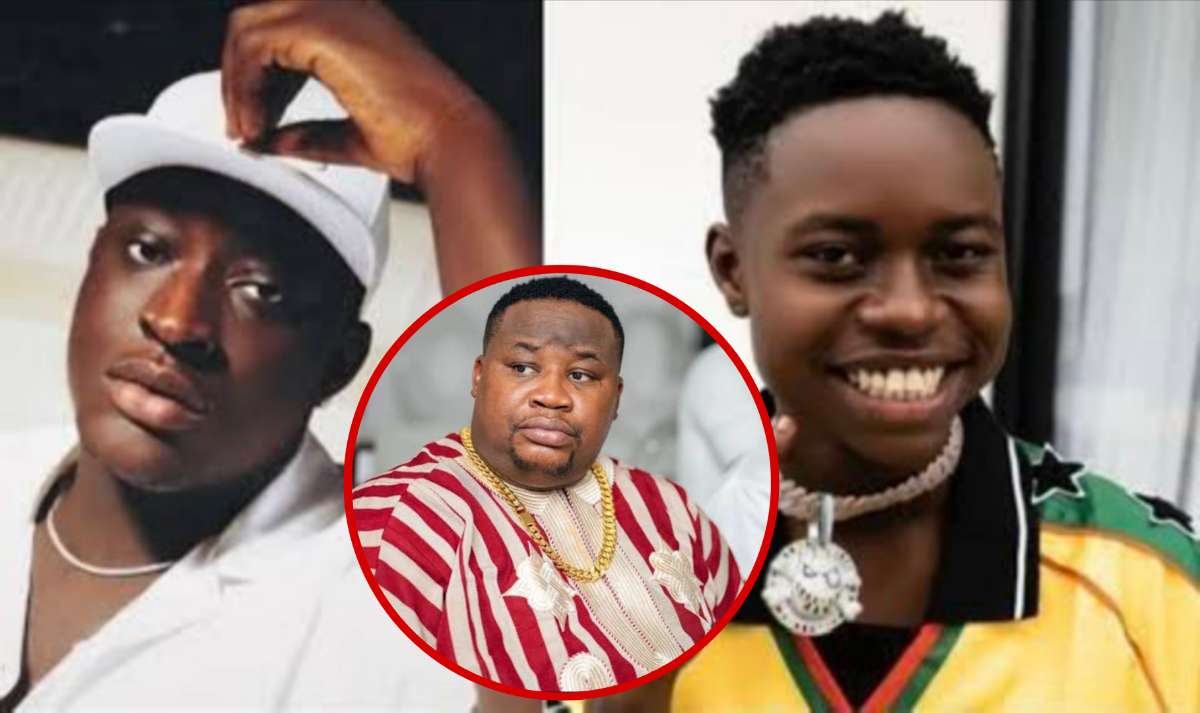
The next time someone mentions Delta State celebrities, remember that Isoko has produced more stars than most people realize. From Don Jazzy revolutionizing Nigerian music to Victor Ikpeba conquering European football, from Moses James dominating boxing rings to Orezi, Solidstar and Terry Apala spilling rhymes on the microphone, Isoko excellence is undeniable.
These individuals prove that greatness can emerge from any community, regardless of size or perceived prominence. They’ve put Isoko on the map through their achievements, inspiring countless young people from the region to pursue their own dreams of excellence.
So yes, you probably didn’t know these five celebrities were from Isoko. But now that awareness exists, there’s an opportunity to recognize and celebrate Isoko’s contributions to Nigerian success stories more prominently.
The Isoko spirit of determination, excellence, and quiet confidence continues to produce achievers across generations. These five are merely the most visible representatives of a community that consistently produces excellence across diverse fields.
Don’t want to miss the best from iSokoVibe?
- Set us as a favorite source in Google Discover to see our latest updates first.
- You can also add us as a preferred source in Google Search by clicking the button below.