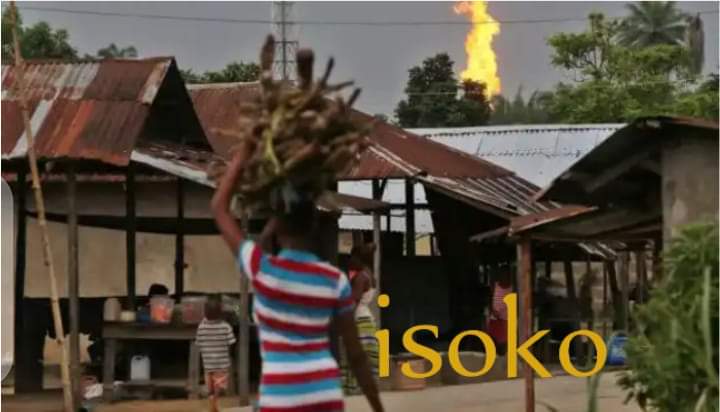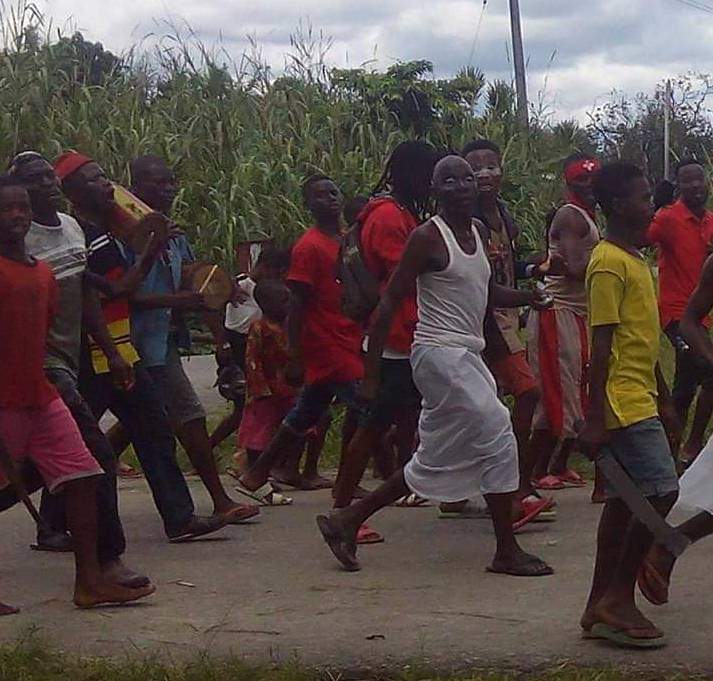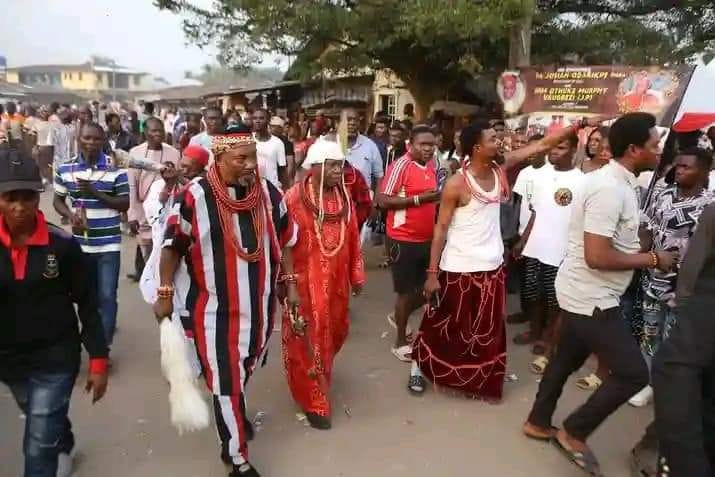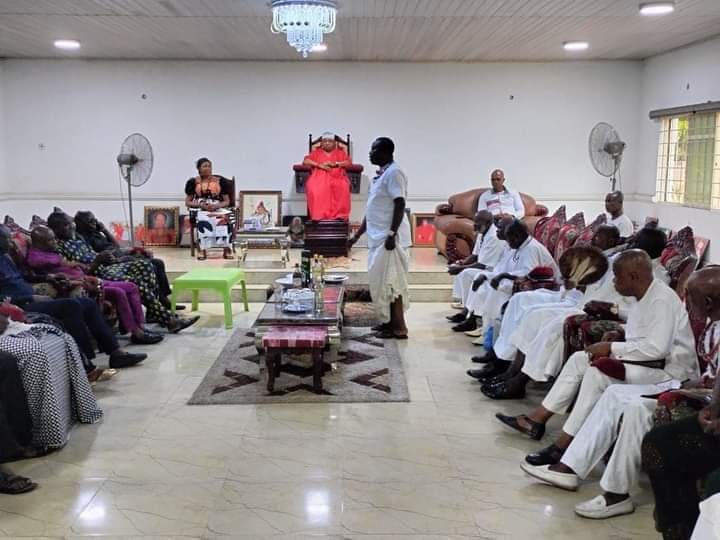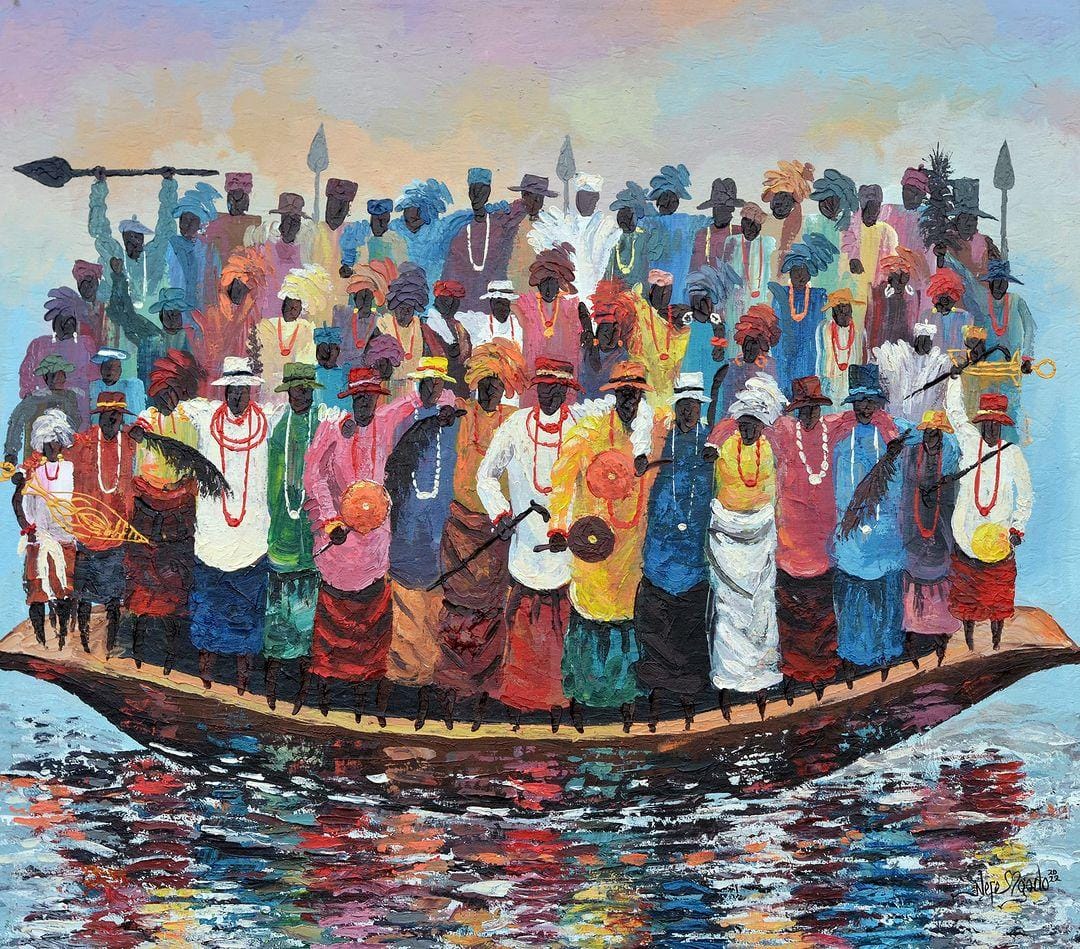







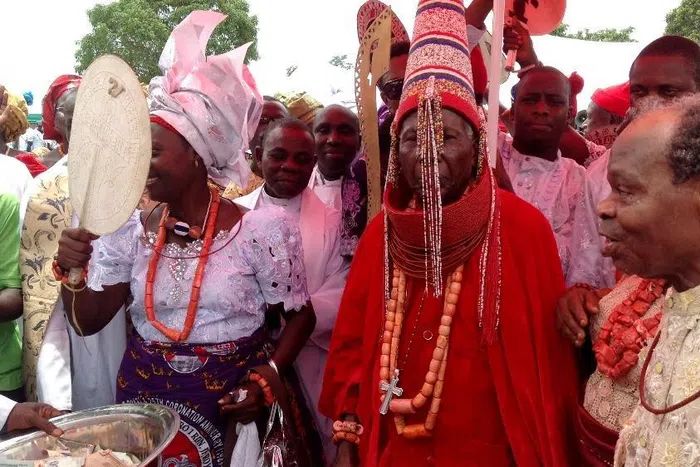
The Isoko people of Delta State have kept their cultural practices alive for many years. These traditions still surprise and interest visitors, researchers, and people who are learning about them for the first time.
What makes these traditions interesting is how they show a culture that values family, community, and respect for both the living and the dead. Many outsiders are surprised to find deep meaning in simple rituals. They discover that Isoko customs are not just old practices but contain real wisdom about how to live together.
Here are six Isoko traditions that always catch people’s attention when they first experience them.
1. The Three Step Marriage Ceremony
The Isoko marriage process is probably the tradition that surprises outsiders the most. Unlike some other cultures where marriage happens in one ceremony, Isoko marriage takes three separate visits, and each one has its own purpose.

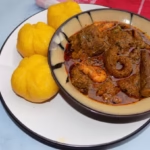
The first visit is called “knocking” or disclosure. The groom and his family visit the bride’s home to tell them they want to marry their daughter. What surprises many people is what happens with gifts and money. The bride’s father gives the guests kola nuts and drinks, then gives them money to thank them for finding his house. The groom’s family must give their own kola nuts and drinks back, and they must pay back double the money they received.
This doubling of money is not about showing off. It shows that the groom is serious and can provide for his wife. It’s a way to prove commitment with actual money.
The second visit is when the groom’s family brings gifts. The most important part is when people ask the bride directly if she knows this man and wants to marry him. She must answer in front of both families. Her answer matters. If she says no, the marriage cannot happen. Many people are surprised that traditional Isoko marriage requires the woman’s clear agreement.
The third visit is about paying the bride price. Here’s something interesting. If the groom is Isoko, the bride price is 500 naira. If he’s from another tribe, it’s 1,000 naira. This is not about being unfair to outsiders. The lower price for Isoko men recognizes that they already know the culture. The slightly higher price for non Isoko men is still small and affordable. It welcomes people from other tribes to marry Isoko women.
What really amazes outsiders is that throughout all three ceremonies, only Isoko language is spoken. Even if the groom is a foreigner who doesn’t understand anything, no other language is allowed. Foreign grooms must hire an “Ọtota,” which is a spokesperson who translates everything for them. This rule keeps the culture authentic while still allowing the ceremony to happen.
At the end, the Isoko community gives an official Marriage Certificate that is recognized throughout Isoko land. This shows that Isoko people have had organized documentation for marriages long before modern times.

2. The Mandatory Wrapper for Grooms
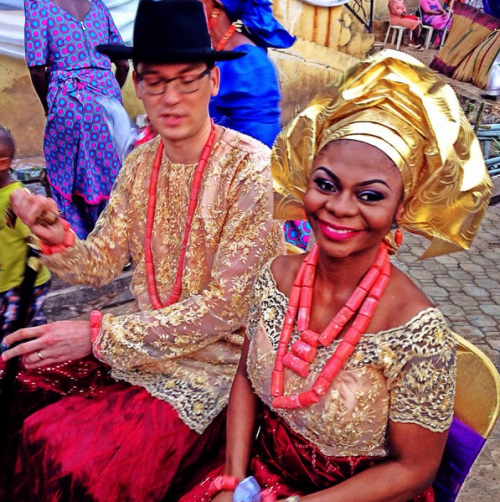
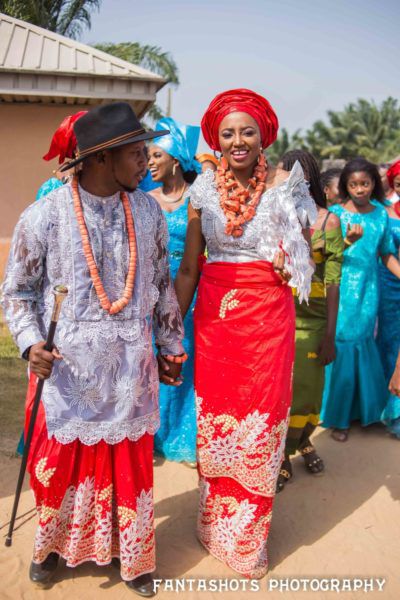
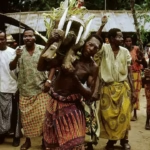
Traditional Isoko weddings have a dress code that the groom must follow. He must wear a wrapper tied from his waist to his toes, a top, a bowler hat, and carry a walking stick. What surprises outsiders, especially non Isoko grooms, is that this rule applies to everyone, no matter where they come from.
A Yoruba man marrying an Isoko woman must wear Isoko clothes. An Igbo groom must dress in Isoko traditional style. Even foreign white men from Europe or America must wrap themselves in Isoko fashion during the ceremony.
This requirement is about respect. By wearing Isoko clothes, the groom shows he is willing to honor and understand his bride’s culture. It’s a physical way of showing that marriage connects not just two people but two families and their traditions.
The bride usually wears two different outfits during the ceremony. The first one shows her personal style, often beautiful George fabric or lace with headgear and beaded accessories. The second outfit matches what the groom is wearing. This shows their union and shared future together.
Many outsiders love how beautiful this tradition looks in photos. It creates amazing pictures that blend culture with ceremony. But beyond looking good, it teaches about cultural respect that many people find meaningful.
3. Kola Nut Never Sits Alone
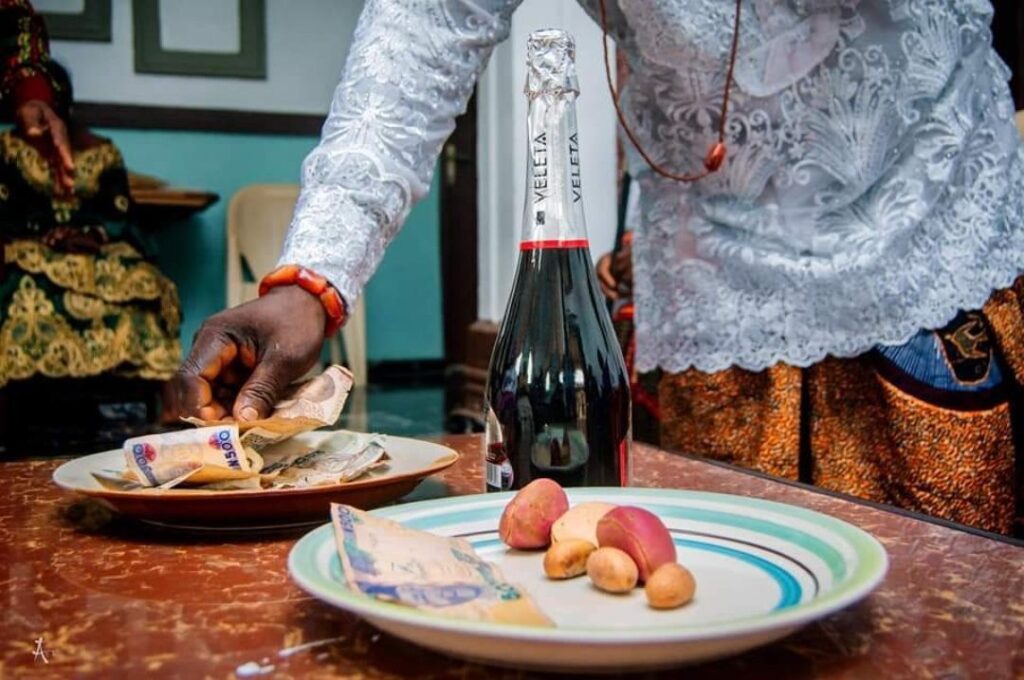
A simple tradition that carries big meaning is that kola nut must never sit on a plate by itself. Whenever someone presents kola nut, they must put money next to it.

This tradition appears in many Isoko ceremonies, especially during marriage talks and formal visits. When the bride’s family presents kola nut to guests, they must place money with it. The groom’s family does the same when they give their kola nut.
The reason behind this is interesting. Kola nut represents hospitality and respect, while money represents practical help and serious intentions. Together, they balance the spiritual side and the material side of relationships.
The tradition also prevents kola nut from becoming just an empty gesture. The money that goes with it, no matter how small, makes sure that symbolic gestures have real backing. It’s a cultural way of making sure that actions back up words.
Many visitors say this tradition teaches a lesson worth learning. Symbolic gestures should be supported by real commitment. The kola nut and money together remind people that words and symbols need to be backed by actions and resources.
4. The Oviri Family Structure
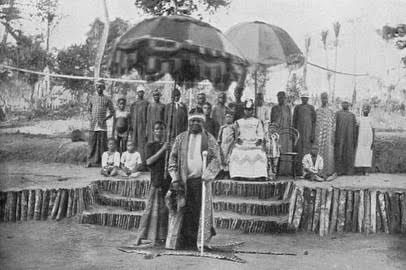
Isoko social life is built around the “Oviri,” which is the extended family structure. This system interests many people who study communities. An Oviri includes far more than just parents and children. It includes many relatives who stay close and help each other.
Family compounds have multiple generations living together. Grandparents, parents, children, and sometimes cousins share living spaces. This creates support systems that many outsiders find both amazing and hard to imagine in modern city life.
The Oviri system works on shared responsibility. Raising children is not just the parents’ job but the whole family’s job. Taking care of old people doesn’t fall on one person but spreads across the extended family. When one household has money problems, it becomes the whole Oviri’s concern. They pool resources together to help struggling members.
The oldest people in the Oviri are the leaders. They keep knowledge, settle disputes, and make decisions on important family matters. Their authority is not harsh but based on advice. It comes from their wisdom and life experience.
Outsiders often express amazement at how this system creates safety nets. The Oviri provides help when someone loses their job, takes care of old people without nursing homes, and provides childcare without daycare centers. All of this is built into the family structure rather than needing government programs.
The system also keeps cultural knowledge alive. Elders pass traditions, language, and values directly to younger generations within the family. This prevents culture from dying out, which happens when families break apart and lose connection.
5. Age Grade Responsibilities
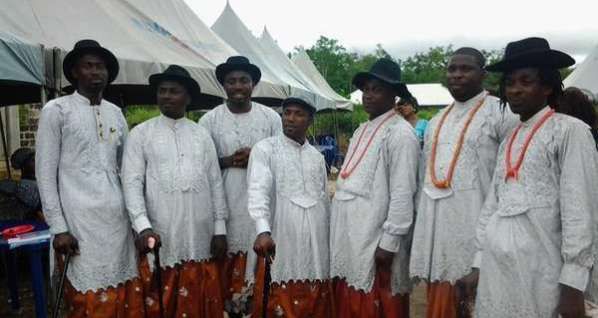
Isoko society organizes both men and women into age grades. Each age group has specific jobs in the community. This way of organizing people interests outsiders when they see it for the first time.
Young boys do simple community tasks like cleaning public spaces or running errands for elders. They learn community service and respect for authority. Adult men handle major community work projects. They form the village defense and do physically demanding work that requires strength.
Older men make up the village councils. They contribute wisdom and guidance rather than physical labor. Their age grade moves from doing hard work to giving advice. This recognizes that people contribute in different ways as they get older.
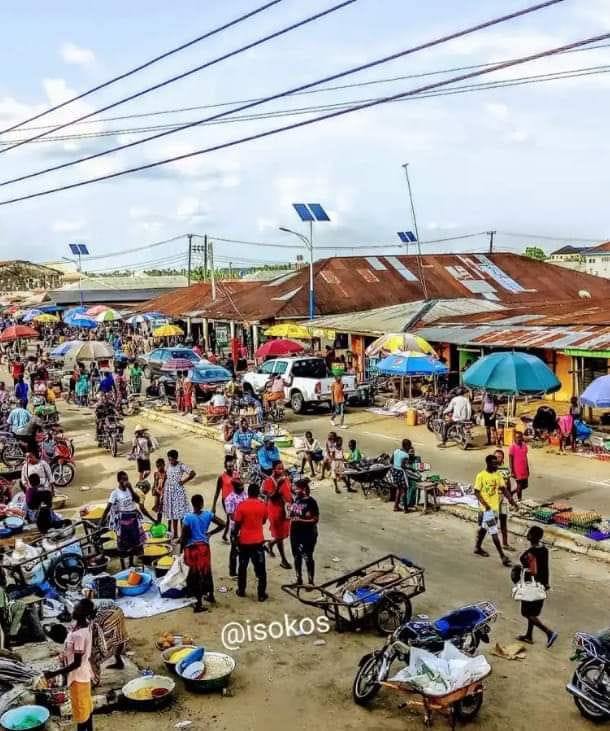
Women’s age grades have equally important jobs. They handle things around fertility, childbirth rituals, and market control. These are not small responsibilities. They are central to how the community works. Market control by women’s age grades means women have significant economic power in Isoko society. They manage trade and commerce that keeps villages running.
What interests outsiders is how this system creates clear expectations and shared accountability. Everyone knows their role based on their age and gender. This reduces confusion while allowing people to contribute properly to community welfare.
The age grade system also creates social bonds. People move through life stages together with others their age. This builds lifelong friendships and shared experiences. This is very different from modern societies where different age groups are often separated from each other.
6. Traditional Religion Alongside Christianity
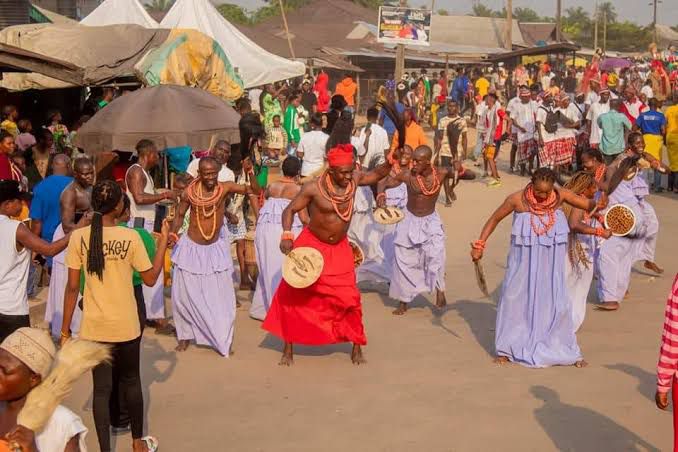
While Christianity is very strong in Isoko land today, with many churches and Christian believers, traditional religious practices still exist in interesting ways. The region is even called “Race of Reverends and Teachers” because of how many Christians and educated people live there.
Isoko traditional religion includes belief in a creator god, messenger spirits, and ancestral spirits who stay involved in family matters. Sacred groves, water bodies, and specific trees serve as spiritual places where people communicate with the spirit world.
What surprises outsiders is how many Isoko people practice both Christianity and traditional beliefs without seeing a problem. Someone might go to church on Sunday and participate in Christian activities. Then later in the week, they might pour drinks to honor ancestors or visit traditional priests about family matters.
This mixing of religions shows a practical approach to spirituality that many outsiders find refreshingly honest. Rather than completely giving up ancestral practices, many Isoko Christians keep certain traditions they consider culturally important. This especially applies to family ceremonies, farming rituals, or community celebrations.
Festivals celebrating harvests, honoring local gods, or marking seasonal changes continue alongside Christian holidays. Traditional marriage ceremonies use elements from both Christian and ancestral blessings. Funeral rites might include church services and traditional ceremonies honoring the person’s journey to join the ancestors.
This religious flexibility surprises outsiders who are used to strict religious boundaries. The Isoko approach suggests that spiritual truth can come through multiple traditions. Honoring ancestors doesn’t contradict worshiping a creator god. It’s an openness about religion that many find thought provoking.
Why These Traditions Matter to Us
These six traditions show that Isoko culture is sophisticated, flexible, and deeply rooted in values that focus on community, family bonds, and respect for both tradition and change. Outsiders are always surprised that customs they first thought were “outdated” actually contain wisdom that works for modern problems.
The three step marriage process, for example, builds foundations for lasting marriages through multiple family meetings and clear consent. The Oviri system creates social safety nets that modern societies try to create through government institutions. Age grade responsibilities spread community work fairly while building connections between generations.
These are not old practices kept alive just for show. They are living traditions that continue shaping Isoko identity and community life today. While modernization changes some practices, especially for Isoko people living in cities or abroad, the core values in these traditions remain strong.
Experiencing Isoko Culture
For outsiders who want to experience these traditions firsthand, Isoko cultural festivals provide chances to see ceremonies, traditional dances, music, and community celebrations. The annual Isoko Cultural Festival showcases the region’s heritage through performances and exhibitions.
Visitors who come with real curiosity rather than judgment usually find Isoko people welcoming and happy to explain their customs. Many Isoko people take pride in their heritage and enjoy sharing it with people who show genuine interest.
Understanding these six traditions gives windows into Isoko values. The importance of family and community. The balance between tradition and change. How spiritual and practical concerns work together. The wisdom of systems that have kept communities strong for many generations.
Cultural Respect
Learning about Isoko traditions comes with responsibility. Appreciation means understanding the context, respecting the meaning, and engaging honestly. Taking elements without understanding or honoring what they mean is wrong.
Outsiders who find Isoko marriage ceremonies fascinating should remember these are not shows for entertainment. They are sacred family events. People interested in traditional religious practices should approach with respect for beliefs that hold deep spiritual meaning.
The best way to honor these traditions is through respectful learning, thoughtful questions, and acknowledging that different cultures develop wisdom worth keeping and understanding. Isoko traditions have kept communities strong for centuries because they work. They address human needs for belonging, meaning, structure, and connection.
These six traditions are just a small part of Isoko cultural richness. But they always catch outsider attention because they challenge what people assume. They reveal unexpected wisdom and show that traditional practices often understand human nature and community needs better than many modern approaches do.
NOTE: A thorough research was carried out for this article, but due to lack of adequate documentation or online official publication — We do not guarantee 100% correctness of some of the details.
We would appreciate your contribution if you have more accurate information, kindly reach out by send a mail to [email protected]
Don’t want to miss the best from iSokoVibe?
- Set us as a favorite source in Google Discover to see our latest updates first.
- You can also add us as a preferred source in Google Search by clicking the button below.